

























































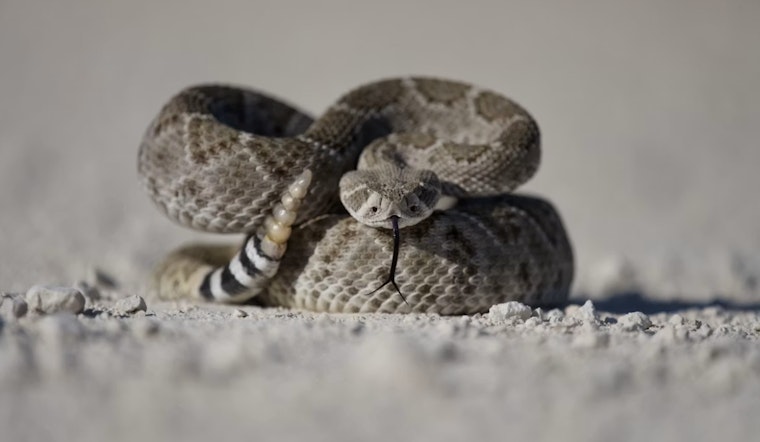
Rattlesnake bites in and around Salt Lake City are spiking this spring, with emergency doctors saying the number so far is almost twice what they would normally expect by this point in the year. One of those unlucky hikers is Kassidy Drage, who was bitten on the Twin Peaks trail in the Upper Avenues and rushed to the University of Utah for treatment. Medical staff determined she had been envenomated and started antivenom to limit swelling and help her recover faster.
As reported by FOX 13, Dr. Alyrene Dorey of the Utah Poison Control Center says there have already been 17 reported rattlesnake bites this spring in the Salt Lake area, compared with the typical eight or nine at this time of year. The station spoke with Drage and relayed Dorey’s explanation of why getting antivenom early can make a real difference in how well and how quickly patients bounce back.
The University of Utah Health identifies Dorey as an assistant medical director at the Utah Poison Control Center and a medical toxicologist, underscoring that local experts are deeply familiar with venom cases. Updated clinical guidance from the Wilderness Medical Society also stresses that prompt antivenom for pitviper envenomation reduces complications and recommends consulting local poison centers on dosing and observation, which lines up with how area emergency rooms handled Drage’s case.
What Hikers Should Do
Salt Lake City Public Lands urges people to stick to cleared trails, keep an eye on where they place their feet and hands, and keep dogs leashed to cut down on surprise encounters with rattlesnakes. The city’s guidance warns against outdated first aid, such as cutting the wound, trying to suck out venom, or slapping on a tourniquet. Instead, they say to call 911 immediately if someone is bitten, as outlined by Salt Lake City Public Lands.
Why Bites May Be Up
State wildlife officials say warmer spring weather draws rattlesnakes out of winter dens and into the foothills and benches where people like to hike, bike, and run, which naturally raises the odds of crossing paths. That explanation comes from the Utah Division of Wildlife Resources, which has been reminding Utahns how to avoid conflicts with snakes as temperatures climb.
The pattern is not just a Utah thing. Hospitals and toxicologists elsewhere in the Southwest have reported early-season snakebite spikes this year as well, pointing to a broader seasonal trend noted by azfamily.com.
Local trail runners told FOX 13 the sudden uptick has them feeling uneasy every time they head into the foothills. Drage, for her part, said she plans to mark the experience with a Great Basin rattlesnake tattoo. Officials continue to emphasize that rattlesnakes generally want nothing to do with people and that awareness is the best defense: give snakes space, keep pets close, and call emergency services right away if a bite happens, per local guidance.





