

























































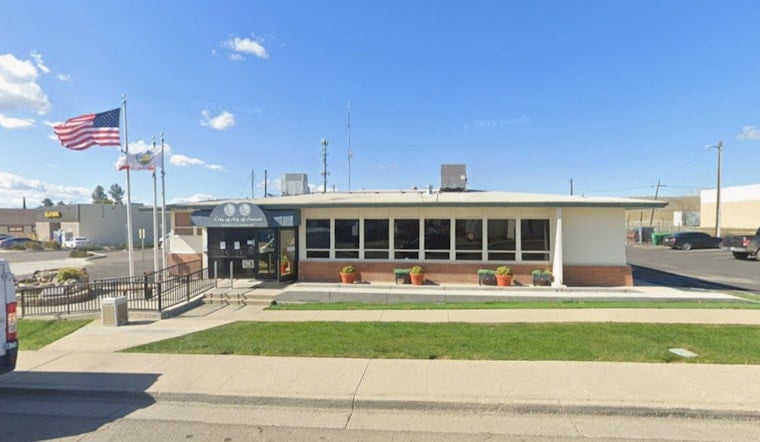
A Kings County political drama has gone full soap opera, with four Avenal City Council members overwhelmingly recalled by voters yet still clinging to power. The showdown has packed council chambers, triggered a financial cease-and-desist from county officials, and now sits on the doorstep of California’s courts.
Voters Toss Four Councilmembers In April Recall
In a special election on April 28, Avenal voters decisively removed Mayor Alvaro Preciado and councilmembers Leticia Gamez, David Reynosa, and Pablo Hernandez, each by margins topping 70 percent, according to the Fresno Bee. Roughly one-third of registered voters in the small city turned out. The only councilmember left untouched by the recall is Ricardo Verdugo, who remains in his seat.
June Council Meeting Explodes Into Standoff
Things boiled over at the June 11 council meeting, when three of the recalled members showed up, took their places, and voted to keep themselves in office. That move sparked angry confrontations with residents in a packed chamber and led to civil restraining orders being served in an effort to physically remove them from the dais.
By that point, Kings County District Attorney Sarah Hacker and the sheriff’s office had already warned the city to stop spending any public money tied to the recalled seats. The cease-and-desist directive was meant to protect the public treasury while the legal fight plays out, according to reporting by SFGATE.
Recall Backers And County Ask State To Step In
Supporters of the recall have now taken their case to Sacramento. They filed an application with the California Attorney General’s Office seeking permission to bring a quo warranto action, the formal legal process used to challenge whether someone is lawfully holding public office. Kings County has joined that application, according to the Fresno Bee.
The paper reports that the Attorney General’s Office said it was “considering the application on an expedited basis,” which is the required step before any quo warranto lawsuit can be filed in superior court.
How Quo Warranto Works And Why It Matters Here
Quo warranto is the legal tool Californians use when they want the courts to decide if someone has the right to occupy a public office. A would-be challenger, called a relator, must first get the attorney general’s permission to sue. If that permission is granted, the relator files a verified complaint that has been prepared for the attorney general’s signature.
The Attorney General’s Office has published detailed instructions for how this is supposed to work, and state regulations back up those rules. They spell out what an application must include, the undertakings a relator has to submit, and the forms that have to be used. For the fine print, see the California Attorney General’s quo warranto guidance and related regulations here: Attorney General guidelines and California Code of Regulations.
Case Draws State And National Spotlight
The Avenal standoff has now jumped from local intrigue to broader political storyline. One national outlet has reported that Attorney General Rob Bonta has already authorized a quo warranto action, while earlier local coverage said the AG’s office was still reviewing the request. For the national account see the Washington Examiner, and for earlier local context and on-the-ground details see SFGATE.
What Happens Next In Avenal
The next big shoes to drop are a formal decision from the Attorney General’s Office on whether to grant leave to sue and any subsequent superior court filings from recall supporters. At the same time, the Kings County district attorney has signaled she may intervene if public funds are spent in violation of her cease-and-desist.
Until the quo warranto question is resolved by a judge or the AG makes a definitive call, Avenal appears stuck in limbo. City meetings are expected to stay heated, the council majority is anything but settled, and residents are left watching to see whether the ballot box or the courtroom has the final word.





