

























































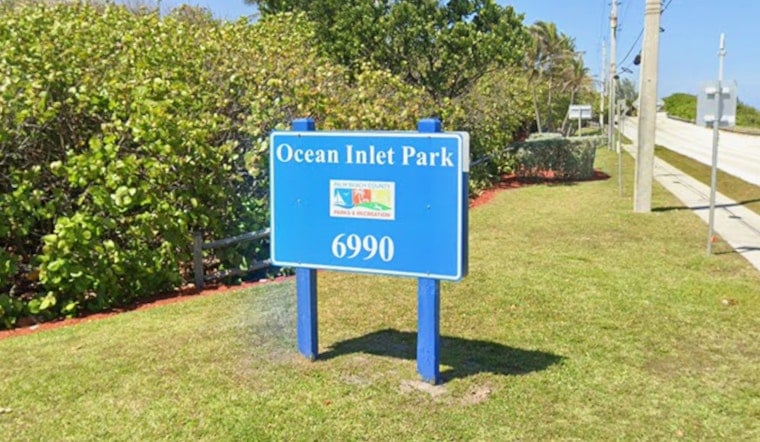
Thick, rotting piles of sargassum seaweed are taking over prime stretches of Palm Beach County shoreline, choking the sand at Ocean Inlet Park in Ocean Ridge and South Inlet Park in Boca Raton. County officials say they plan to bring in crews to scoop up the mess and haul it to a landfill, with work possibly starting as soon as mid next week.
County Plans Targeted Cleanups
County staff have zeroed in on Ocean Inlet Park and South Inlet Park as the hardest hit spots and say cleanup operations will be scheduled specifically for those locations. A private contractor will be hired to collect the seaweed and transport it to a landfill, according to WPEC (CBS12).
Smell, Stings and Respiratory Risks
When thick mats of sargassum sit on the sand and start to break down, they can release strong odors and gases, including hydrogen sulfide and ammonia, that irritate the nose, throat and airways. NOAA notes these public health and nuisance impacts and points out that cleanup options are limited and often expensive.
What Is Driving the Pileups
Experts say June, July and August are usually some of the busiest months for sargassum in South Florida. Scientists cite the Great Atlantic Sargassum Belt and nutrient inputs, especially nitrogen and phosphorus, as the main reasons for this season's heavy landings. The University of South Florida's Sargassum Watch System provides daily maps and monthly outlooks that coastal managers and park crews use to anticipate when mats are likely to wash ashore, according to USF SaWS.
Local Scenes and Reactions
Beachgoers have been running into the brown seaweed lines since Memorial Day, with lifeguards putting up signs warning of heavy accumulation. Some visitors have ditched beach plans for pools or quieter stretches of sand. Local coverage captured people saying the smell and the thick wrack line forced last minute holiday changes and urging anyone with respiratory conditions to be extra careful, as documented by WPTV.
How Governments Are Handling It
Across coastal towns, strategies differ. Some municipal crews mechanically rake sargassum and truck it to landfills, while others try moving it onto dunes or using controlled composting to trim disposal costs. Every choice comes with tradeoffs for wildlife and local budgets. National coverage and forecasts point to record amounts of sargassum moving across the Atlantic this season, a pattern that could keep cleanup bills high, according to AccuWeather.
What to Do Before You Go
Palm Beach County is asking visitors to check daily beach conditions, follow lifeguard flags and avoid handling heavily decomposed seaweed, especially for people with asthma or other breathing issues. For park locations and current advisories, the county directs beachgoers to its beach conditions page at Palm Beach County Parks & Recreation.





