

























































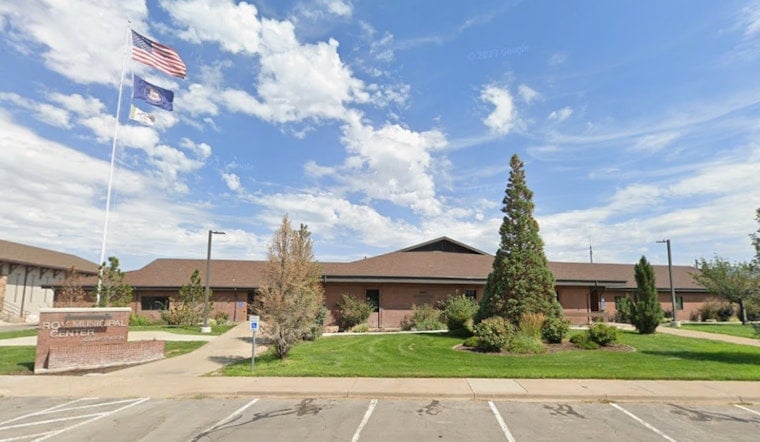
Roy homeowners now know just how high their property taxes could go next year: up to about 55.5 percent more than the city collects today, if leaders decide to use the full amount later this summer.
On Tuesday, the Roy City Council voted to set that ceiling on how much extra property tax revenue it can even consider for the next fiscal year, while putting off a final decision on the certified rate until truth-in-taxation hearings in August. City leaders say the potential increase is aimed at shoring up wages and cost-of-living adjustments after several lean budget years and mounting staffing pressure. The move came after emotional public comment and a tense council debate over whether the city can close its budget gap without a steep tax hike.
The city’s budget packet shows the proposal would bring in about $2,807,745 in additional ad valorem revenue, mainly to cover a prior cost-of-living adjustment, fund a 2.8 percent COLA next year, and make wage-correction adjustments. It lists the proposed increase at roughly 55.45 percent, according to the Utah public notice. That tentative FY2027 budget and property-tax impact schedule was posted publicly before the May council meeting. Staff repeatedly stressed the figure is a ceiling, not a final levy, and said it could come down if the city finds savings or lands favorable interlocal deals.
Where the Money Would Go
Council members said about 61 percent of any increased revenue would flow to public safety, primarily police and fire, which officials describe as critical to keeping pay competitive in a tight labor market. The council also voted to start the process of annexing the Roy Fire Department into the Weber Fire District, a move city leaders say could ease the long-term tax hit by spreading costs across a larger base of taxpayers. As proposed, the change would translate to roughly $17 more per month for the average household, as reported by FOX13.
Councilmember Alexis Jackson framed the gap as a staffing issue more than a spending spree. “If it were not for the personnel concerns, the budget would be entirely balanced,” she said, warning that cuts have already gone past the easy stuff. “When we see departments cutting into stuff like that, we’re no longer cutting fat, we’re carving steak.”
Councilmember Bryon Saxton signaled he is not sold on the ceiling, saying he will “challenge the 55 [percent] until I know a little more.” The skepticism did not come only from the dais. Roy residents packed the council chambers and blasted the proposed 55.45 percent increase, and many pointed back to the city’s earlier attempt to raise taxes by about 28 percent in 2025, a move later blocked by the Utah State Tax Commission, according to reporting by Standard-Examiner.
In a parallel hunt for savings, the council voted to cancel several Friday events at Roy Days, including the movie in the park, the salmon bake, and an arts council show. The annual fireworks display nearly went dark as well, until the Mike and Melissa Schultz Foundation stepped in with about $35,000 to fund the show. An anonymous donor reportedly picked up the tab for police detail costs so the fireworks can go forward. Organizers and city officials said the private support allows the core celebration to continue this summer, according to Gephardt Daily.
How the Final Rate Will Be Set
Under state truth-in-taxation rules, Roy must publish a detailed impact schedule and hold public hearings before locking in any new rate. The city’s agenda and budget packet spell out those notice and hearing steps. Officials say the council will take formal public comment and adopt a certified rate at hearings in August, giving residents a defined chance to weigh in before the final budget is approved, according to the Utah public notice.
For now, the ceiling gives Roy leaders room to negotiate annexation terms, chase internal savings, and listen to residents, while homeowners keep a close eye on what actually happens in August. The full budget packet and hearing schedule are posted on the state’s public-notice site for anyone who wants to dig into the details.





