

























































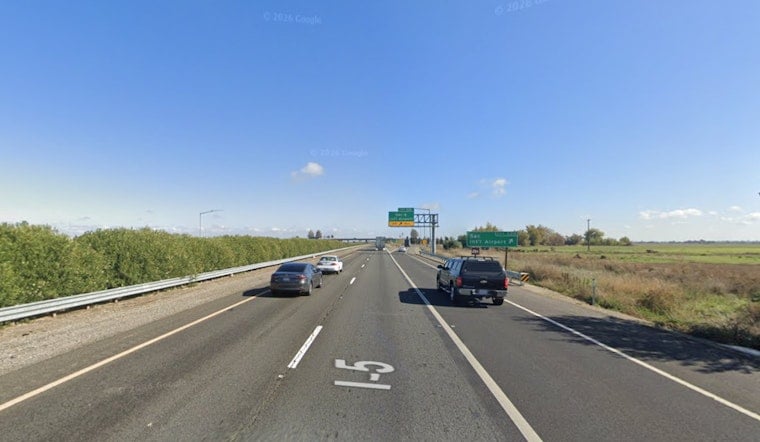
Interstate 5 between downtown Sacramento and the airport just took a big step closer to becoming a pay-to-play corridor, as regional transportation boards signed off on key early moves for a new set of toll lanes.
The plan on the table would add one tolled, “managed” lane in each direction along roughly 12 miles of I-5, from the Highway 50 interchange near downtown up to Sacramento International Airport. The project would widen the freeway in certain stretches, and if the stars of funding, engineering and bureaucracy align, construction could start as early as fall 2029, with lanes potentially opening by spring 2032.
This week, the Sacramento Transportation Authority voted to put real money behind the idea, authorizing $880,000 for the Capital Area Regional Tolling Authority to complete a traffic and revenue study and approving another $400,000 for consultants to chase grants, according to The Sacramento Bee. CARTA’s board quickly followed suit, approving the funding agreement and awarding a contract to C&M Associates to conduct the study, which moves the project into a more technical, number-crunching phase.
What the lanes would look like
Caltrans has been testing nine different options for the Sac-5 Managed Lanes project, ranging from doing nothing at all to fully tolled express lanes, according to Caltrans. The approach currently in the lead is a HOT 3+ setup, where vehicles with three or more occupants can use the lane for free while everyone else pays a toll.
The managed lane would be added alongside existing general-purpose lanes instead of converting an existing carpool lane. That means some stretches would have three lanes, others four, depending on the segment. Carpools get the perk of a free ride, solo drivers get the perk of a faster option if they are willing to pay, and the rest of traffic stays in the regular lanes.
Money and timing
Project documents peg the cost in the “mid hundreds of millions” category. The STA staff report cited by The Sacramento Bee estimates a price tag between $450 million and $500 million.
Presentations to local boards outline an illustrative schedule in which construction would begin in fall 2029. New southbound lanes would likely come online first, with northbound lanes phased in afterward. Officials say toll revenue would initially cover operations and maintenance, and any money left over would be reinvested into the I-5 corridor.
Regional context
The I-5 plan is one piece of a much larger regional vision to build out a network of managed lanes. The Sacramento Area Council of Governments’ 2025 Blueprint calls for roughly 200 miles of managed lanes across the region by 2050, and I-5 is flagged as one of the near-term corridors under study, according to SACOG.
Planners argue that tolling can create a steady local revenue stream at a time when the traditional workhorse, the gas tax, is expected to weaken as more drivers shift to electric vehicles.
Pushback and next steps
The votes this week were not unanimous. Some board members and city officials voiced skepticism, questioning whether managed lanes end up serving as a pretext to widen freeways and whether they meaningfully reduce long-term congestion.
Officials involved in the project stressed that many steps still stand between this concept and any shovel hitting dirt. Dozens of additional studies, full environmental review and multiple rounds of public outreach will be required before a construction contract can be signed.
In the near term, the focus is on the nuts and bolts: completing the traffic and revenue study, pursuing grants and preparing a formal tolling application.
What to watch
One early bellwether will be the traffic and revenue report from C&M Associates, which will help determine whether the numbers pencil out. Another will be the slate of grant applications that regional officials assemble to cover much of the project’s cost.
CARTA plans to post board packets and meeting recordings as things move along on its website, CARTA. If funding, permitting and environmental clearances line up with the current illustrative schedule, the new tolled lanes could start showing up on navigation apps in the early 2030s. How fast that happens, though, will depend heavily on grant awards and the outcome of the environmental review.




