

























































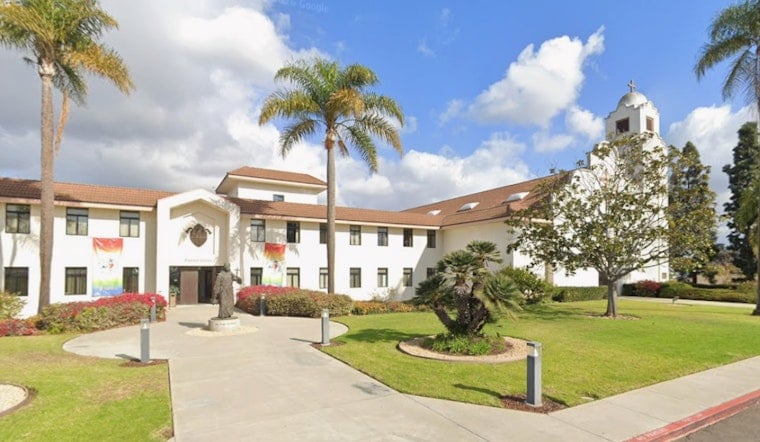
Two years after the Roman Catholic Diocese of San Diego sought Chapter 11 protection, lawyers for survivors say the church and its insurers are grinding the process down with repeated legal challenges that starve payouts and stall any global settlement. Attorneys for victims say the bottom line is stark: hundreds of abuse claims remain unresolved while only a small slice of claimants have seen relatively modest payments.
According to The San Diego Union‑Tribune, more than 480 claims have been filed against the diocese. More than 40 claimants have accepted settlements of roughly $75,000 each, for an aggregate of about $3 million. Lawyers representing groups of survivors say the diocese and its insurer have responded by filing dozens of objections aimed at disallowing or trimming many of the remaining claims.
What the court ordered
The U.S. Bankruptcy Court has already stepped in to shape the battlefield. In March, Chief Judge Christopher B. Latham signed an order that spells out which categories of claim objections the court will hear now and which will be put on hold. The order notes that the diocese and its insurer filed more than 150 claim objections and directs the parties to produce a joint summary of those objections, while also warning that some disputes, including certain statute of limitations issues, may lie outside the court’s power to finally decide. The detailed framework appears in a March 4 order posted by ElevenFlo.
Survivors’ attorneys say the blizzard of objections is no accident. “The many claim objections is unprecedented,” attorney Stacey Benson told The San Diego Union‑Tribune. Sasha Gurvitz, who represents the unsecured creditors committee, added that “there’s no other order in the country that we’re aware of” that carves objections into categories quite this way.
Settlements so far
Court records show that some money has started to move, although in relatively small amounts. This spring, the parties reached a batch of limited settlements, and a stipulation filed in May asked the court to approve 35 settlement agreements and releases. That step pushed modest payments out to a subset of claimants, but lawyers for survivors say the piecemeal approach is a far cry from a global resolution that would compensate all survivors on a fair and consistent basis. Recent entries on BkAlerts show the stipulation and related court orders.
The diocese first announced that it intended to seek Chapter 11 in June 2024, after a change in California law opened a new window for older abuse claims. Reuters reported that the initial filing followed roughly 457 new claims. Church officials have said the bankruptcy is meant to deliver just compensation for survivors while still keeping ministries, parishes and schools operating. See the diocese’s Chapter 11 materials for the church’s statement and a timeline of the filing.
Legal stakes and next steps
Judge Latham’s March order also highlights the legal tightrope in a case like this. On one side are procedural and evidentiary objections that go to matters like proof, timeliness and duplicate filings, which the bankruptcy court can resolve. On the other are underlying personal-injury disputes that would require deciding the merits of individual abuse claims, which may have to be litigated in state or federal court instead. The order, as posted by ElevenFlo, identifies which objection categories can move ahead in bankruptcy and which must wait.
That split means some survivors will likely face additional time and expense to resolve their claims, and attorneys on both sides acknowledge that appeals or related proceedings are likely as they test different paths to payment. Lawyers for survivors say they will keep pressing for a comprehensive settlement while pursuing separate litigation when the bankruptcy court cannot decide the merits of a claim. The diocese, for its part, has repeatedly said it wants an orderly resolution that balances survivor compensation with the church’s ongoing ministry. Statements from the Zalkin Law Firm and the diocese’s Chapter 11 page lay out the competing positions and the next wave of filings now headed for the court.



