

























































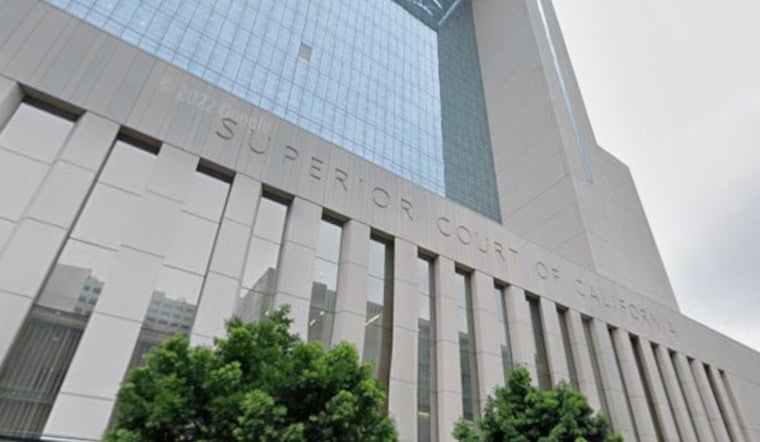
Immigration lawyers across Southern California say bond hearings in immigration court have morphed into a rubber-stamp exercise that keeps people locked up even after federal judges order relief. They point to cases where federal judges have ruled detention unlawful or ordered hearings, only to see immigration judges respond with sky-high bonds or quick denials after what attorneys describe as cursory proceedings.
A $50,000 bond after a federal win
Last month, a federal judge in Los Angeles ordered an immigration judge to hold a bond hearing after a Pasadena-based attorney won a habeas corpus petition. At that hearing, the immigration judge set a $50,000 bond for a man with no criminal record. Attorney Stacy Tolchin told reporters that her client has lived in the United States for 25 years, has a family, and holds a job, circumstances that she said once made such high bonds unusual. As reported by KPBS, Tolchin called the decision one example of what she sees as a broader shift in immigration-court practice.
Habeas petitions surge and federal pushback
Lawyers have filed more than 50,000 habeas petitions in federal courts challenging immigration detention, according to data compiled by the Immigration Justice Transparency Initiative. Data from Habeas Dockets show that courts in San Diego and Los Angeles have adopted expedited protocols to handle the wave of filings. A review by Reuters found hundreds of judges ruling that the government detained people unlawfully, more than 4,400 such rulings in all, even as compliance with those orders has remained uneven.
Lawyers say hearings are rushed
Advocates say some bond hearings are essentially pro forma. "The hearing lasted eight or nine minutes," Cassandra Lopez of Al Otro Lado told KPBS, describing a proceeding in which ICE lawyers were not questioned and the practical burden fell on the detainee. Megan Day of the Immigrant Defenders Law Center told the same outlet that her office has had "above a 90 percent success rate" in habeas petitions, a result she said highlights how often federal judges find detention unlawful when they review the full record.
Government pushes back
The Justice Department and the Executive Office for Immigration Review have rejected claims that the bond hearings are a sham, saying the agencies are complying with court orders and enforcing immigration law. As The New York Times reported, a Justice Department spokeswoman said the administration was complying with court orders and fully enforcing federal immigration law.
Local consequences - jobs, housing and trauma
Attorneys say the human cost is immediate. Clients can lose apartments and jobs while they are detained, and many show signs of trauma after prolonged time behind bars. Reporting from local and regional outlets has documented how high bonds and repeated appeals can keep people locked up long after courts have concluded that detention was unlawful, deepening economic harm for families. For background reporting on the costs of detention and bond, see coverage from Michigan Public.
What courts can do next
Federal judges can order new hearings, set deadlines, and in some instances consider sanctions when the government fails to comply, and lawyers say they will continue to press for those remedies where they believe they are necessary. Analysts tracking noncompliance have compiled hundreds of habeas cases in which judges found that government orders were ignored, a dataset that legal observers say points to a systemic problem.




