

























































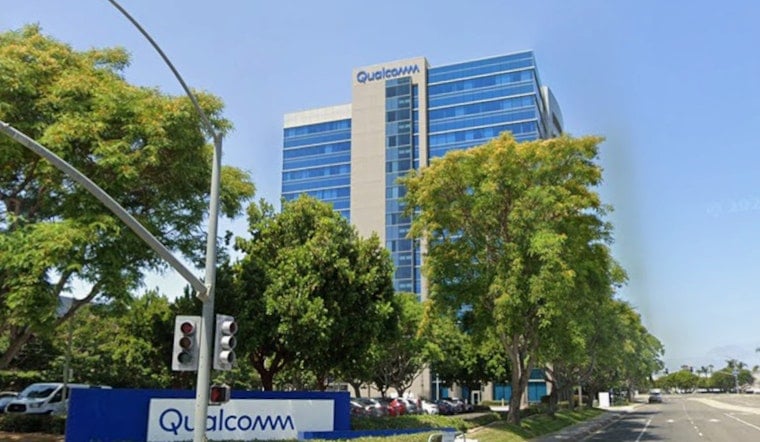
Qualcomm is closing in on a roughly $4 billion deal for AI-infrastructure startup Modular, according to people familiar with the talks, in what would be a major swing for the San Diego company's data-center AI ambitions. Those sources say a formal announcement could land in the coming weeks if negotiations stay on track. Modular, founded in 2022, has built a software stack that lets the same model run across GPUs, CPUs and other accelerators without forcing developers to rewrite code.
According to Reuters, the negotiations are in advanced stages and neither side has yet made a formal public comment on the potential transaction. Reuters also reported that Modular could not be reached for comment and that Qualcomm did not immediately respond to questions. Earlier reporting shows Modular raised about $380 million and was valued near $1.6 billion after a September 2025 financing round, per SiliconANGLE.
What Modular Does
Modular sells a unified inference stack called MAX and a high-performance kernel language that, according to Modular, lets developers run the same model across Nvidia, AMD, Intel and ARM hardware. The company pitches the platform as a way to boost performance and cut costs by optimizing kernels and routing workloads to the best available accelerator. For an acquirer, that software layer could help stitch together different accelerators and speed deployments for cloud and enterprise customers.
Qualcomm’s AI Push And M&A Strategy
Qualcomm has been talking up its move into data-center processors and custom AI accelerators as it looks for growth beyond the handset market, a shift detailed in reporting by Bloomberg. Industry coverage has also flagged Qualcomm's interest in a larger acquisition of Tenstorrent, a deal that would add inference silicon and RISC-V expertise, according to The Information. Taken together, those reports sketch an aggressive M&A strategy aimed at building capabilities across both silicon and software.
Timing, structure and regulatory review are still open questions. Sources told reporters that a deal could surface in the coming weeks but cautioned that nothing is final. Any transaction would still need customary antitrust and national-security signoffs, depending on how the deal is structured and which customers are involved. For now, investors and enterprise customers will be watching Qualcomm's investor events and earnings calls for guidance.





