

























































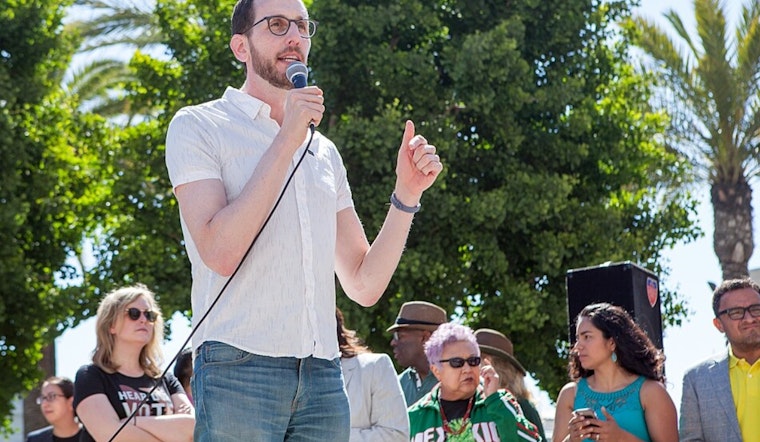
State Sen. Scott Wiener and San Francisco Supervisor Connie Chan are officially headed for a November showdown, finishing first and second in last Tuesday's top-two primary for Nancy Pelosi’s open U.S. House seat. The result sets up a citywide brawl between Wiener’s establishment backing and fundraising muscle and Chan’s labor support and Pelosi-branded credibility. For San Franciscans, it marks the close of nearly four decades of Pelosi’s representation and the start of a new fight in Washington over housing, labor and how much local power the city can actually wield.
Wiener led the field with about 41.3% of early returns, while Chan took roughly 28.6%, which knocked Saikat Chakrabarti out of the running and locked in the November Wiener–Chan faceoff, according to the San Francisco Chronicle. Both campaigns quickly shifted into general election mode, spotlighting housing policy and worker protections as likely centerpieces of the fall contest.
Polls and where things stood before the vote
Polling compiled on the CA-11 page showed Wiener consistently ahead in pre-primary surveys, while the race for second place bounced among Chan, Chakrabarti and other contenders, according to The New York Times. Pelosi’s May 18 endorsement of Chan briefly tightened the race and gave her campaign a late jolt of attention, as reported by The Guardian.
Money and outside groups could decide November
Fundraising left Wiener with a clear edge heading into the primary - roughly $3.5 to $4 million raised compared with Chan’s far smaller war chest - a gap local reporters say could heavily shape the fall contest, according to the Chronicle’s campaign finance tracking. San Francisco Chronicle data show Wiener drawing large sums from individual donors and local billionaires, while Chan has leaned more on union backing and smaller, neighborhood-sized contributions.
Outside spending has already added another twist. Pro-Chan ad buys and transfers through allied PACs drew scrutiny after research tracked by Legis1 and other outlets flagged transfers tied to national groups that support the super PAC EDW Action, raising questions about where some of the help is coming from and how it might drive the fall messaging war.
Who each candidate needs to win
Chan’s strength was concentrated in the Richmond District and among Chinese American voters, while Wiener led across broad stretches of the city in early returns, a pattern local outlets highlighted as central to the November math, according to SFGATE. To stay competitive citywide in November, Chan will need her labor endorsements to translate into large field operations and serious ad spends. Wiener, meanwhile, will look to turn his fundraising edge into sustained outreach in neighborhoods where his name recognition already runs high.
The November matchup will test whether endorsements and union support can overcome Wiener’s financial advantage, and whether outside groups will ramp up spending in a safely Democratic but symbolically important seat. For ongoing poll tracking and the latest survey compilations, voters can look to the New York Times’ CA-11 polling page.





