

























































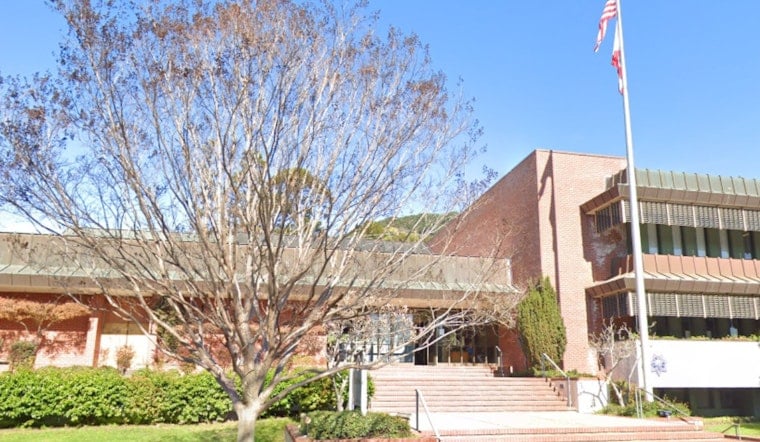
San Rafael’s City Council today adopted a $208.2 million citywide budget for the coming fiscal year, signing off on higher public safety spending while warning that short-term fixes will not solve long-term gaps. City leaders balanced the plan with one-time transfers and modest cuts, but officials say structural shortfalls will require new revenue or deeper reductions if conditions do not improve.
The adopted plan assigns roughly $44.8 million to the fire department and about $34.4 million to the police department, and it funds 418.08 full-time positions — an increase of 4.4 full-time equivalents — even as revenue and transfers are forecast at approximately $206.8 million, according to the Marin Independent Journal. Council and staff closed the near-term gap with about $4.1 million in one-time spending offset by roughly $1.75 million in cuts and reallocations.
One time moves and local shelter plans
Staff leaned on one-time transfers, including liability and capital fund moves and re-appropriations tied to downtown services, to soften the blow to operations. The package also sets aside funding for the interim Merrydale tiny home shelter project and other targeted items, a process the city has been fast tracking the Merrydale shelter this year.
Unfunded needs and the forecast
City staff told the finance subcommittee that baseline deficits are expected to appear in FY2026–27 and grow unless the city secures new recurring revenue, with a multi-year shortfall projected to reach roughly $2.0–$2.5 million by FY2029–30. Staff pointed to a long list of unfunded needs, from an estimated $2 million per year for street paving to $1 million for storm drain repairs and $750,000 to stand up a crisis intervention team, that complicate the long term outlook, according to the City of San Rafael finance subcommittee minutes.
Taxes on the table
To cover ongoing costs, staff are weighing a bump in the property transfer tax and a dedicated public safety fee. City documents and reporting show that a transfer tax increase toward a 1% rate could generate on the order of $6 million, while a $0.0725 per square foot public safety charge is estimated to yield roughly $3.1 million. Staff are conducting polling this month and will ask the council which option to pursue on the November ballot, per the Marin Independent Journal.
What comes next
The adopted budget preserves several reserves, including emergency and economic uncertainty cushions, but officials were clear those balances are not a long term solution. City Manager Paul Navazio has warned that unfunded needs continue to strain finances, and councilmembers signaled they want community input before placing a revenue measure before voters. Staff will return to council with polling results and proposed ballot language over the summer.





