

























































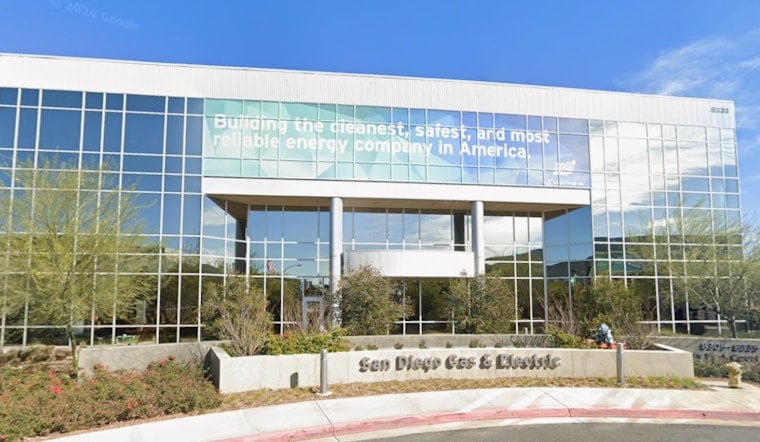
Yesterday, San Diego Gas & Electric went to state regulators with a simple request that carries a big price tag: permission to raise average monthly bills by about 8.6 percent in 2028, which works out to roughly $22.50 more each month for a typical household. The ask comes in a new general rate case covering the 2028 to 2031 test years and kicks off a formal California Public Utilities Commission review of SDG&E’s costs, planned investments and customer impacts across its service territory.
The utility’s application arrives as a multi-thousand-page stack of testimony and workpapers that spell out a proposed 2028 revenue requirement of about 3.8 billion dollars to run and maintain electric and gas service. As outlined in materials filed with SDG&E, roughly $ 2.9 billion would go toward electric operations and about $900 million toward natural gas operations.
If the CPUC signs off on the full request, SDG&E estimates that a typical residential electric bill would rise by about 14.03 dollars per month and a typical natural gas bill would climb by about 8.45 dollars, for a combined bump of about 22.50 dollars. The filing itself runs to thousands of pages and includes line-by-line cost forecasts and workpapers, according to The San Diego Union-Tribune.
What Is Driving The Ask
In the fine print, SDG&E points to sharply higher insurance and labor costs as big pieces of the puzzle. The company says wildfire liability coverage and other insurance have become increasingly volatile and expensive, and its filings flag employee medical benefits rising roughly 25 percent compared with last year. None of that, the utility argues, comes cheap.
SDG&E also cites years of wildfire mitigation and grid-hardening work that it says now totals in the billions and forms part of the investment base behind the rate proposal, including wildfire efforts that top nearly $6 billion since 2007. Insurance issues, detailed in testimony filed with SDG&E, and local reporting both highlight those cost pressures.
How Regulators Will Weigh It
The CPUC will not simply rubber-stamp the proposal. The application goes through a full-blown proceeding that includes testimony, discovery, formal hearings and written briefs before a proposed decision and, eventually, a final order. According to procedural schedules filed with the CPUC, parties are expected to submit testimony and, if needed, appear in evidentiary hearings this summer as the commission builds its record.
Pushback And Politics
Consumer advocates and local groups wasted little time blasting the plan as too steep for ratepayers to handle, signaling they will push hard to shrink the numbers. The Utility Reform Network has already raised alarms about profit levels and the overall size of the request, and other intervenors are lining up testimony to challenge portions of SDG&E’s case. TURN and other parties are mobilizing ahead of the CPUC docket.
Next up: SDG&E will defend its figures while intervenors, including the Public Advocates Office, UCAN and several environmental organizations, roll out their own experts and cross-examine utility witnesses. The case will move through rounds of legal briefing and eventually to a commissioner vote, with consumer groups promising to argue that some of the company’s requested costs are not justified. UCAN and others are already drafting comments and testimony.
For San Diego customers, the filing is the opening act in what is likely to be a months-long fight over how much residents will pay for basic energy delivery in the coming years. The CPUC’s final decision will set the bottom line, and for now households, advocates and the utility are all gearing up for a contested debate over what SDG&E describes as necessary investments and critics frame as an affordability problem waiting to land in mailboxes.



