

























































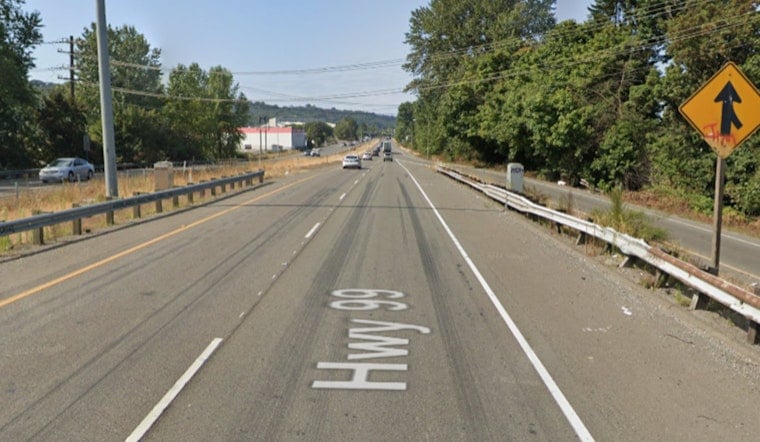
A new city analysis is making a surprisingly straightforward case for pulling State Route 99 out of South Park and giving the land back to the neighborhood for housing, parks and ecological restoration. The study’s most ambitious scenario, which would reroute traffic and remove the highway from the community, shows the potential to free up large tracts of public land, dramatically cut pollution-generating pavement and sharply reduce the torrent of through-traffic that now pours onto local streets. City and community leaders say the idea raises big questions about logistics and money, but it also offers a rare, concrete roadmap for reconnecting a neighborhood that has spent decades living in the shadow of freeway infrastructure.
What the report examined
According to the Office of Planning and Community Development, the Potential Futures Analysis, released June 22, looks at four approaches to reimagining SR 99 through South Park: a “Reroute & Reclaim” concept, a “Bridges & Trails” approach, and narrower or wider boulevard conversions. The technical study scores each option against 22 measures tied to health, affordability, mobility, the environment and feasibility, and it stops short of naming a preferred alternative. OPCD describes the work as exploratory, with the next steps focused on a community vision plan and a community investment plan that zero in on housing stability, small-business support and long-term stewardship.
Key findings the report highlights
The Urbanist breaks down the findings and notes that the most aggressive “reroute + reclaim” option could open up as much as 100 acres for new uses and create space for at least 400 housing units under a modest LR3 rezoning assumption. That coverage also points to roughly 41 acres inside South Park that could be unlocked for homes, parks and businesses, with about seven acres already identified as suitable for residential use and about 34 acres that fit with adjacent industrial activity. The writeup underscores that the study links these redevelopment possibilities to measurable gains in public health and environmental outcomes, rather than treating them as a standalone real estate play.
Traffic and environmental tradeoffs
The city’s modeling shows SR 99 now carries roughly 40,000 vehicles a day through South Park, while nearby SR 509 carries about 70,000 to 80,000, which suggests the broader network has room to absorb much of the traffic if SR 99 is reconfigured. OPCD's analysis estimates that removing the three-mile stretch through the neighborhood would cut through-traffic routed into South Park by about 64 percent, increase traffic on I-5 by roughly 3 percent and raise volumes on SR 509 at South 100th Street by about 8 percent. The report also finds that reclaiming land along the river could reduce pollution-generating impervious surface by as much as 86 percent and create major opportunities for shoreline and salmon-habitat restoration.
Housing, jobs and community control
The neighborhood coalition behind the effort argues that reclaimed land should fuel community-driven housing, small-scale industry and new open space, rather than turning into a speculative free-for-all. At the same time, the study is clear that what ultimately happens depends on zoning decisions, land transfers and long-term local stewardship. Reconnect South Park and the city both emphasize that the housing totals in the analysis assume rezoning and are paired with a call for anti-displacement measures and a community investment plan meant to protect existing residents and businesses. Local advocates say any durable plan will need real tools for affordability, community ownership and environmental cleanup, not just good intentions.
Costs, timing and political hurdles
Turning the analysis into an actual project would require negotiations with WSDOT, which owns the SR 99 right of way, plus a serious hunt for capital funding and careful work around environmental and utility constraints that could prove both costly and slow. The Urbanist notes that federal programs that have helped similar efforts, such as the Reconnecting Communities pilot, are under political pressure in Congress, which complicates the funding outlook. Given those realities, city staff and coalition leaders say any full removal of SR 99 would almost certainly be phased over many years and hinge on agreements among multiple agencies.
The Potential Futures report functions more as a technical roadmap than a final verdict. OPCD and the Reconnect South Park Coalition plan to use the analysis to steer community visioning and an investment plan designed to keep benefits rooted in the neighborhood. The coalition has been gathering resident input and says local priorities, from parks and housing to living-wage jobs and habitat restoration, will ultimately shape which path moves ahead. The study leaves plenty of hard decisions on the table, but it gives South Park something it has not had before: a data-backed blueprint for how a neighborhood split by a highway could be stitched back together.



