

























































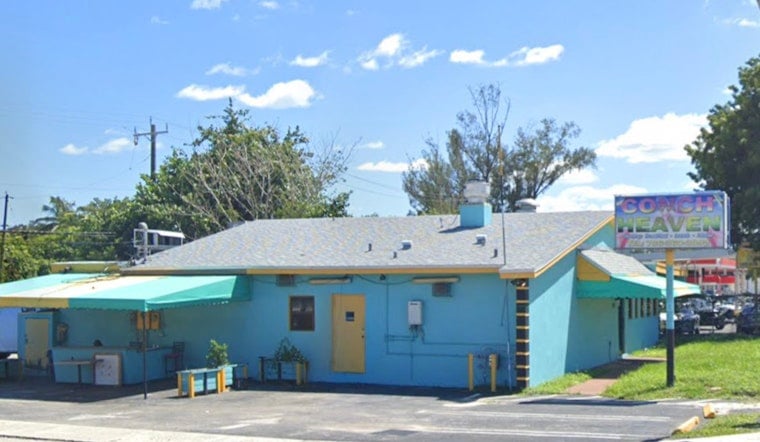
Raw sewage in kitchens, live roaches running along the cook line, and flies seemingly everywhere were enough to slam the brakes on six South Florida restaurants this week. State inspectors temporarily shut down spots in multiple Miami neighborhoods and in Fort Lauderdale, hitting both mom-and-pop operations and a well-known national chain. Each place was only allowed to unlock the doors again after mandated cleanups and a follow-up inspection showed conditions had been fixed.
According to Local 10, the latest Dirty Dining sweep listed Conch Heaven in northwest Miami-Dade, The Villa Caribbean Shoppes in Miami Gardens, and Miami’s Chong’s Chinese Restaurant and Beijing Garden, along with P.F. Chang’s at the Galleria and Lona Cocina Tequileria in Fort Lauderdale. Inspectors logged a series of high-priority violations that included standing water, mold-like buildup in ice machines, temperature-abuse issues, and significant pest activity. Local 10 notes that each establishment was allowed to reopen only after ordered cleanup work and a successful re-inspection.
What inspectors found
Public inspection summaries drawn from state records and local tracking tools show that Beijing Garden was written up for sewage backing up through floor drains, along with a dead fly found on prepared pork. At The Villa Caribbean Shoppes, the report logged more than 100 dead flies inside an insect-control device and live flies landing on food-prep surfaces. Inspectors at P.F. Chang’s documented multiple live roaches under the dish machine and along the cook line, while Chong’s Chinese Restaurant was hit with stop-sale orders after refrigeration failures left numerous foods at unsafe temperatures. These details appear in DBPR-based databases such as FloridaFoodSafety.org.
How the state enforces closures
The Division of Hotels & Restaurants, the Department of Business and Professional Regulation unit that licenses and inspects restaurants, has authority to issue emergency closure orders, require unsafe food to be destroyed under a stop-sale, and conduct callback re-inspections before a business can reopen, according to the Florida DBPR. Those tools are meant to deal with immediate public-health risks discovered during inspections and to confirm that corrective work has actually been completed.
How to check inspection records
Diners who want to know what is happening behind the kitchen door can plug a restaurant’s name into DBPR’s public inspection search or use third-party sites that reformat the state reports. For a walk-through on how to pull and read Florida inspection files, including what terms like “stop-sale” and “ordered shut” really mean, see the guide at Florida Obsession. Keeping an eye on those records can help customers spot repeat problems at their regular haunts.
Why this keeps happening
Inspection reports capture only what investigators see on the day they show up, yet Local 10 and other outlets have repeatedly highlighted how pest, mold, and temperature violations continue to surface across the region. Local tracking projects and news coverage, including Hoodline’s recent Dirty 30 roundup, point out that many places pass re-inspection once fixes are verified. Even so, restaurants that rack up closures again and again send a clear warning signal to anyone thinking about sitting down to eat.



