

























































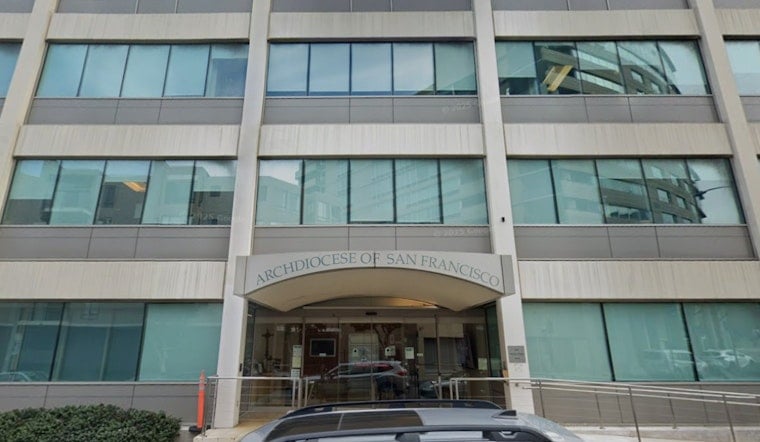
The San Francisco Archdiocese has agreed to a $395 million settlement to resolve hundreds of lawsuits from people who say they were sexually abused as children by priests and other church employees. Attorneys for the plaintiffs say the deal would cover more than 500 claims and combines the huge payout with a slate of reforms focused on child protection and transparency. The agreement lands nearly three years after the archdiocese sought Chapter 11 bankruptcy protection, following a surge of lawsuits filed under California’s look-back law that forced diocesan finances into public view.
According to NBC Bay Area, the settlement would require Archbishop Salvatore Cordileone to turn over internal records to an independent child-protection consultant, who will prepare a report to be published on the archdiocese’s website. The agreement also calls for stronger public disclosure of priests accused of abuse, adding an abuse survivor to the archdiocese review board that evaluates allegations, releasing survivors from existing nondisclosure agreements, and banning confidentiality clauses in future cases. Plaintiffs’ lawyers and survivors scheduled a midday news conference to walk through the terms.
“We stand proudly with over 200 of those brave souls who have persisted collectively, requiring a real reckoning,” attorney Jeff Anderson said, according to NBC Bay Area. Anderson’s team said the settlement would be the largest per-survivor recovery ever reached in a Catholic diocesan bankruptcy and that it would preserve survivors’ ability to pursue certain insurance claims. NBC Bay Area reported that the archdiocese had not immediately responded to requests for comment.
The plaintiffs’ counsel says the settlement would cover about 530 claims filed after California’s temporary window for childhood-abuse lawsuits under AB 218 and that any deal still needs approval from survivors and the bankruptcy court, the Daily Journal reports. That outlet also notes that insurers have not yet signed on and that the archdiocese would assign its insurance rights to survivors so they can seek additional recovery. According to the report, the package includes a 14-point reform plan covering survivor support, anonymous reporting and a public list of clergy found to be credibly accused.
How the deal moves through court
Court filings show the archdiocese filed for Chapter 11 protection on Aug. 21, 2023, as Case No. 23-30564 in the U.S. Bankruptcy Court for the Northern District of California, and the proposed settlement must clear that docket before any payments go out. Court documents indicate the bankruptcy has involved extensive claims administration along with contested fights over fees and disclosures as the case has unfolded. If the plan is confirmed, claimants who vote to accept it will be eligible for payments once the court-supervised implementation steps are completed.
How this compares
The San Francisco deal is the latest in a series of large diocesan settlements across the country, following an $880 million agreement with the Archdiocese of Los Angeles reported by the AP News in October 2024 and an approximately $800 million proposal for the Archdiocese of New York detailed by CBS New York in May 2026. Coverage of those cases highlights a now-familiar pattern: massive payouts paired with demands for more transparency and the release of internal documents. Observers say the settlements illustrate how state look-back laws and coordinated survivor litigation have pushed dioceses toward court-supervised resolutions.
Survivors and advocates react
At the noon press conference, survivor advocates described the ban on future confidentiality agreements and the independent consultant’s public report as important steps toward accountability, attorneys said. The Daily Journal reports that advocates praised the addition of a survivor representative to the review board as a meaningful reform, while some warned that ongoing disputes with insurers could complicate and delay payouts. For now, courts and claimants will have to decide whether the mix of compensation and institutional changes is enough to finally bring this long-running litigation to a close.





