

























































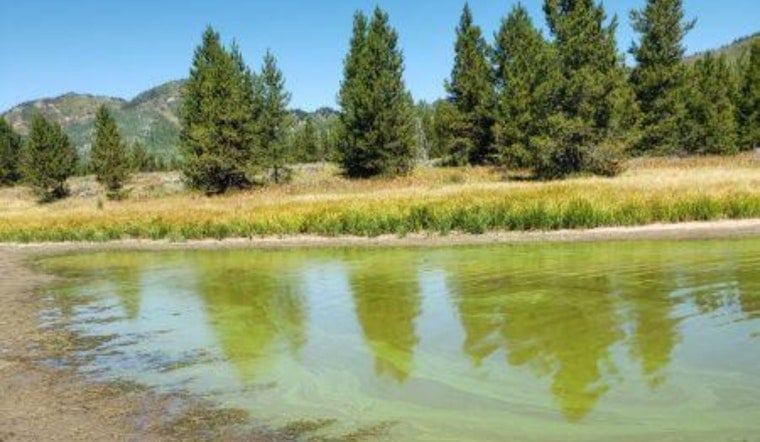
Blue-green algae have smeared stretches of shoreline at Cherry Creek Reservoir in Aurora, turning a go-to paddleboarding and picnic hangout into a smelly, scummy scene this week. The bloom, visible as discolored water and thick mats of algae, has driven some visitors away and prompted park staff to warn people to be extra careful around the water. Colorado agencies are watching the situation and posting advisory signs where needed.
Officials: Testing Is Underway
As reported by CBS Colorado, Colorado Parks and Wildlife flagged the blooms at the end of May and called the growth a symptom of warm temperatures and stagnant water. CPW told the outlet that crews are sampling water at multiple locations and that, so far, laboratory tests have not detected toxins. Park rangers are continuing visual checks around the reservoir and will post warning signs if test results cross recreational thresholds.
State Health Department Urges Caution
Per the Colorado Department of Public Health and Environment, people should steer clear of water that looks discolored or has visible scum, keep children and pets away from affected areas, and avoid drinking water where algae are present. The state also advises avoiding boating directly through visible blooms and thoroughly rinsing fish caught in affected water, then discarding the guts before eating. CDPHE publishes testing updates and maps on its tracking portal at Colorado Environmental Public Health Tracking.
Why Blooms Happen And How They’re Tracked
Local watershed experts point to excess nutrients, hot, calm weather, and low inflows as the usual triggers for cyanobacteria blooms. The Cherry Creek Basin Water Quality Authority notes that phosphorus and nitrogen from runoff, combined with sunny and stagnant conditions, leave the reservoir vulnerable, and says Colorado Parks and Wildlife runs an active HAB monitoring program at Cherry Creek. That program uses visual inspections and laboratory testing to assess risk and guide park managers on when to issue advisories or restrict water-contact activities.
How To Recreate Safely
If you are planning a lake day, check the Cherry Creek State Park page on Colorado Parks and Wildlife for the latest advisories and any posted restrictions before heading out. For the most recent toxin readings and statewide advisories, use the CDPHE tracker and guidance pages linked above. If people or pets come into contact with suspected toxic algae, rinse thoroughly with clean water and contact a medical professional or veterinarian if symptoms such as vomiting, drooling, or skin irritation show up.
Summer algae blooms are a familiar seasonal hazard on urban reservoirs across Colorado. Quick detection and testing mean most problems stay localized, but officials say conditions can change fast. Keeping an eye on posted signs and the state tracker before you go is the safest way to keep the outing about sun and paddleboards, not rashes and phone calls to the vet.





