

























































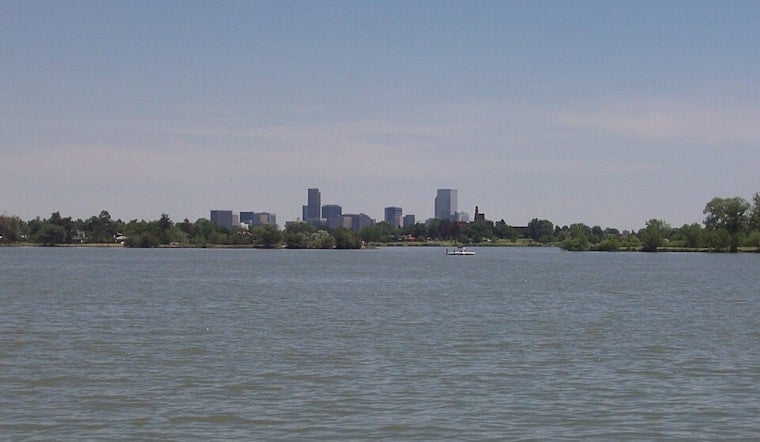
Sloan's Lake has a long history of nasty summer algae blooms that sometimes turn toxic and leave shorelines littered with dead carp and crappie. The shallow, warm water and heavy urban runoff turn the west Denver lake into a yearly chemistry experiment that too often ends badly for fish.
A recent fact check confirmed that the lake’s water has, in fact, killed fish. As reported by The Colorado Sun, a 2024 blue‑green algae die‑off killed at least 2,000 fish. Colorado Parks and Wildlife later tried to jump‑start the fishery by depositing roughly 9,500 rainbow trout.
Shallow Lake, Heavy Runoff
Sloan’s Lake averages about 3.5 feet deep, according to city and park foundation data, and decades of sedimentation have only made it more vulnerable. As detailed by Denverite, that thin water column heats up fast and concentrates nutrients, conditions that favor toxic blooms and occasional "flips" that strip oxygen from the water.
How Algae Kills Fish
Blue‑green algae, also known as cyanobacteria, can harm fish in two key ways. Some strains produce toxins that sicken animals and people. When large blooms die, they can also decompose and suck dissolved oxygen out of the water, effectively suffocating aquatic life. According to the Centers for Disease Control and Prevention, both toxin production and oxygen depletion are common reasons behind freshwater fish kills.
What Officials Have Done So Far
The Denver Department of Public Health and Environment recently shut down Sloan's Lake to recreational use after tests showed potentially deadly blue‑green algae, and the city posted warnings to keep people and pets away. As reported by Denver7, officials say the lake will reopen only when cyanotoxin levels drop, and signage is their primary public‑safety tool for now.
Stocking and Recovery Efforts
After the 2024 die‑off, crews pushed irrigation water and increased flows from local ditches to cool the lake, and they installed oxygenating devices in a bid to save what fish remained. Per The Colorado Sun, Colorado Parks and Wildlife later restocked the basin with roughly 9,500 rainbow trout, a temporary fix while managers weigh longer‑term options such as dredging or improved stormwater filtration.
Why This Could Get Worse
Scientists and federal agencies warn that warming summers and nutrient‑heavy runoff are a bad combo, making harmful algal blooms more frequent and severe, especially in shallow urban lakes like Sloan's. As outlined by the EPA, rising temperatures and stagnant water generally favor cyanobacteria and can increase both the number and intensity of blooms.
What Residents Should Do
For now, the guidance is simple: obey posted warnings, keep pets and kids away from discolored or scummy water, and skip eating fish caught during advisories. The CDC recommends rinsing off people or animals that contact bloom‑affected water and calling a healthcare provider or veterinarian if symptoms show up. Residents should also watch for city updates on when the lake is safe to use again.





.jpg)