

























































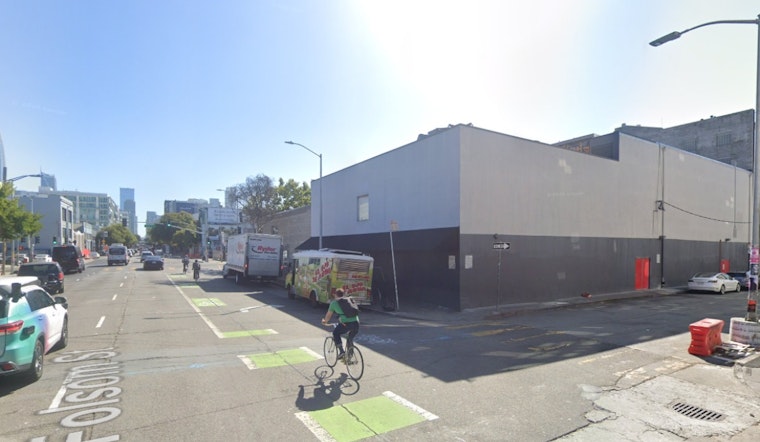
Ira Sandler, the longtime owner of 1015 Folsom and a mainstay of San Francisco nightlife, has died at 73. The SoMa club announced his passing last Friday, and within hours, friends, promoters and regulars were flooding social media with memories. Sandler ran the cavernous venue for decades and is widely credited with turning it into a launching pad for DJs, touring acts and queer nightlife.
According to the San Francisco Chronicle, 1015 Folsom posted on Facebook calling Sandler “our beloved friend, brother and impresario.” Public records list his age as 73, the Chronicle reported, and writer Yolanda Edwards said on Instagram that she was told he died after a heart attack. Local bookers and former staffers responded to the news with stories of Sandler’s generosity and the chances he gave to emerging artists.
A room the city danced in
Sandler bought the building that would become 1015 Folsom in 1989 and guided its transformation from Das Klub into a multiroom dance complex, according to Front of House. Today the venue covers roughly 20,000 square feet across three levels, with five separate rooms and individual bars, per the club’s own description on its website (1015 Folsom). That footprint has let 1015 host everything from small underground weeklies to big-ticket DJ sets and private events for tech clients.
In the 1990s, weekly parties Spundae and Release helped build San Francisco’s early rave and house scenes, according to SF Station. Performers at 1015 have ranged from homegrown residents to major touring acts, Wikipedia notes. That mix of bookings kept the club plugged into multiple subcultures and helped it ride out changes in the surrounding neighborhood.
Controversies and survival
Over the years, Sandler and 1015 Folsom also dealt with high-profile clashes involving police, regulators and nearby residents as SoMa’s nightlife intensified. The San Francisco Chronicle reported that a 1999 police administrative hearing threatened the club’s entertainment permits, and that the California Department of Alcoholic Beverage Control sought to revoke its liquor license after a five-month undercover investigation in 2003. Despite those pressures, the club pressed on with upgraded sound systems, operational changes and a full slate of bookings.
A public celebration of Sandler’s life is in the works, and the venue has invited people to RSVP through an online form linked in its announcement, according to local reporting by 48 Hills. Promoters and former staff members have been sharing recollections of Sandler’s backing for local music and queer nights in neighborhood roundups, underscoring how central 1015 and its owner have been to the city’s late-night culture.
For many who passed through the doors, Sandler’s legacy shows up less in ticket counts than in the stories people carried out of the club, from marathon parties to career-making sets. The Dissent noted that the marquee and weekend calendar stayed in place even after the news of his death, as the neighborhood quietly took in the loss of one of its nightlife architects.




