

























































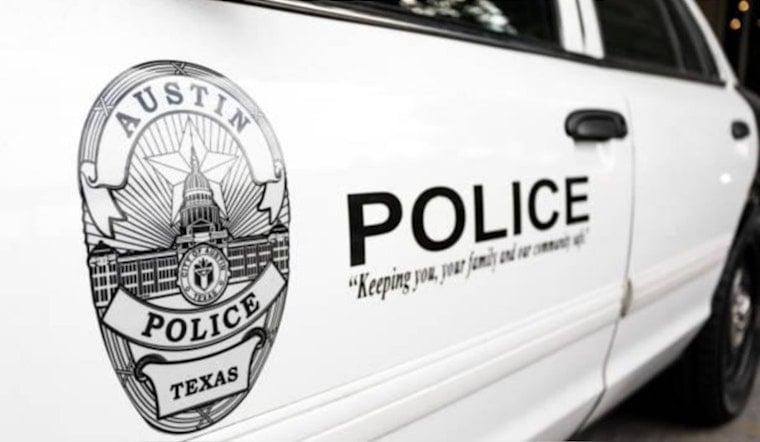
A mid-May shooting spree across South Austin that wounded four people did more than send police racing to multiple scenes. It sent residents scrambling into their phone settings, trying to figure out why some people got a shelter-in-place alert and others were left in the dark.
The city pushed out a shelter-in-place message through FEMA’s Integrated Public Alert and Warning System, or IPAWS, while officers hunted for suspects. The alert covered a broad swath of South Austin roughly bounded by South Slaughter Lane, East McKinney Falls Parkway, North Ben White Boulevard and West Escarpment Boulevard, according to the Austin Police Department. Investigators asked anyone with information to contact the department’s Aggravated Assault Unit.
The emergency message itself was short and tense by design, sent to phones inside a geofenced area. Austin Emergency Management officials say that brevity can be jarring and, in some cases, confusing. It also exposed a quieter problem, the one hiding in your phone’s settings.
“If you have an Apple phone ... and if you have any of those turned off, then you’re not going to get IPAWS warnings,” David Wiechmann of Austin Emergency Management said, according to Spectrum News Austin. With only 90 characters to work with, emergency managers leaned on social media for fuller, rolling updates, Jim Redick, the city’s emergency-management director, explained.
Why some people missed the alert
A national survey conducted for FEMA by the Homeland Security Operational Analysis Center found that about 17.5 percent of adults had opted out of one or more Wireless Emergency Alert (WEA) types before the 2023 national test. The report notes that Texas’ opt-out rate was roughly five times higher than Vermont’s. Those opt-outs, combined with older phones and plain old alert fatigue, help explain why some Austinites never saw the shelter-in-place notice, according to the RAND/HSOAC report.
How IPAWS and WEA work
FEMA’s Integrated Public Alert and Warning System (IPAWS) allows authorized local agencies to send Wireless Emergency Alerts to phones inside a geofenced area using a special cell-broadcast channel. The system does not require sign-ups or subscriptions. It does, however, depend on how a device and its carrier handle those alerts. The limits of the system, including message length and device compatibility, are spelled out by FEMA and help explain why officials try to keep alerts clear and actionable, according to FEMA IPAWS.
How to check your phone
On an iPhone, go to Settings → Notifications and scroll to the bottom to confirm that Government Alerts (AMBER, Emergency, Public Safety) are switched on, per Apple Support.
On most Android phones, open Settings → Safety & emergency → Wireless emergency alerts, then choose which alerts you want to receive, according to Android. Those toggles decide whether your phone will receive geotargeted WEA messages even when networks are jammed.
“Our message is, if we can’t contact you, we can’t alert you,” Redick said, urging residents to review their phone settings and use more than one way to stay informed. City officials say they hope the recent string of incidents pushes a broader public-education effort so fewer people miss critical warnings, Spectrum News Austin reported.





