

























































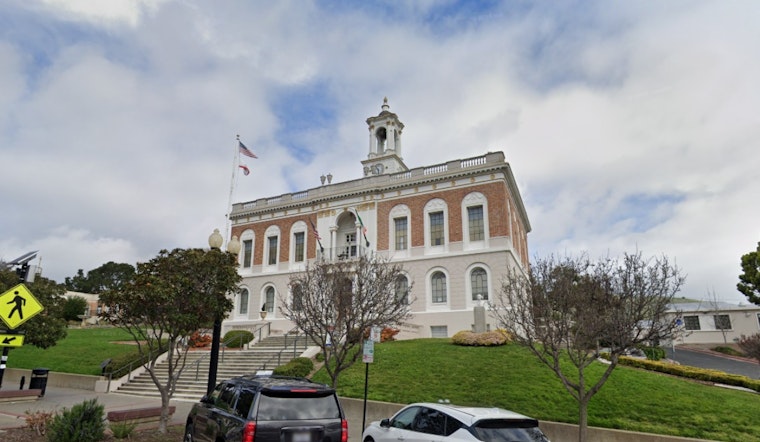
South San Francisco's budget story just got a lot less grim. City staff now expect to finish the 2025-26 fiscal year with a roughly $600,000 shortfall, rather than the eye-popping $5.8 million gap forecast earlier this year. A mid-year update presented to the City Council shows better-than-expected performance across several revenue lines and a deliberately conservative decision to exclude uncertain state reimbursements tied to vehicle license fees. Officials say the leaner deficit eases immediate pressure, but they are not pretending that longer-term cost growth and shaky state funding are off the table.
Where the Surprise Money Came From
The biggest boost came from the city's transient-occupancy tax on hotels, which exceeded staff estimates by about $2 million. Unsecured property-tax collections, tied to business equipment rather than real estate, came in close to another $2 million above projections. On top of that, the budget update leaves out a $5.2 million reimbursement owed from 2024-25, a cautious move that staff say prevents overstating next year's revenues, according to the San Mateo Daily Journal.
Staff: No Cuts - Yet
Staff now project that the fiscal year ending in June will close with a roughly $600,000 deficit, and they estimate a $5.5 million operating shortfall for the coming year, which would be covered using the city's unassigned general fund balance. Those expenses make up about three-quarters of the general fund and are forecast to rise at least 3.4 percent as CalPERS pension contributions and health-insurance costs climb, according to the San Mateo Daily Journal.
VLF Dispute Leaves Local Governments Nervous
The wild card is the state reimbursement tied to vehicle license fees. The state has delayed or reduced those payments, and San Mateo County has sued, claiming millions were improperly withheld. Some cities have responded by trimming or removing VLF revenue from their budgets while the lawsuit plays out. That uncertainty makes planning for next year trickier and keeps the focus on pensions and personnel spending as key pressure points, according to reporting by Redwood City Pulse.
Council Review and Next Steps
The council is set to revisit the proposed budget in June for final adoption, following a mid-year update and a budget amendment it approved in January that reflected preliminary unaudited results through December 31, 2025. Per the City Council agenda, staff say the mid-year adjustments buy time to craft longer-term strategies to close structural budget gaps, and the full council is scheduled to consider final adoption at its June meeting, according to the City of South San Francisco agenda on the City of South San Francisco.




