

























































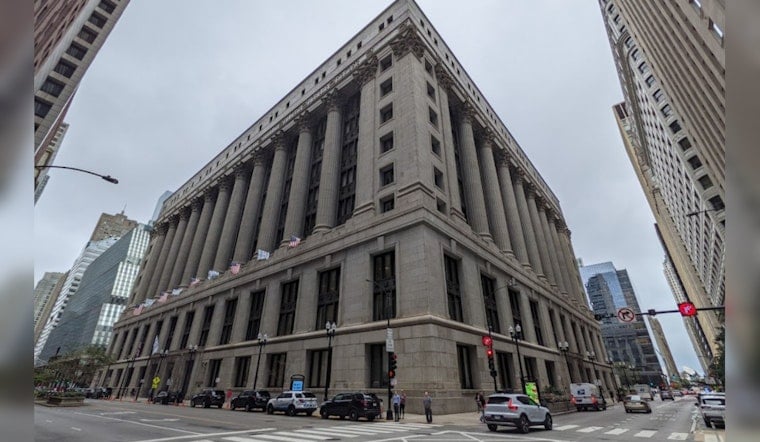
Mayor Brandon Johnson just locked in a major housing win on the South Side, with the City Council signing off on roughly $16.3 million in public support for a new affordable development in Washington Park. The project, called Abrams Intergenerational Village, is planned as a six story, roughly $40 million building that would bring 71 deeply affordable apartments for seniors, grandparents raising grandchildren and housing insecure students. City and developer materials describe it as an intergenerational model that combines on site supportive services with long term affordability.
In a post on X, Johnson said “Chicago needs to build more affordable housing” and laid out a funding package that includes $13 million in tax increment financing and a $3.25 million loan from the city’s housing department. He framed the deal as part of his broader push to add affordable homes in neighborhoods across the city.
Chicago needs to build more affordable housing. That's why my administration is doing just that. Through our investments we're strengthening communities and creating opportunities for our families to grow and thrive right here in Chicago. https://x.com/i/status/2067308104211939380
— Brandon Johnson (@chicagosmayor) June 17, 2026
What the City Approved
According to City Clerk records, Johnson introduced an ordinance (O2026-0025467) authorizing Multi Family Program Funds and other assistance for the Abrams site, which landed on the City Council docket in May. Before that, the Community Development Commission had already signed off on a $13 million TIF backed land sale and subsidy for the project, as reported by Urbanize Chicago. The ordinance and project address are listed in the mayor’s introductions in a packet from the Chicago City Clerk.
What Will Be Built
The Renaissance Collaborative says Abrams Intergenerational Village is planned for the long vacant lot at 5300–5318 S. Calumet Ave and will include 71 income restricted units with on site supportive services. The group’s project materials describe 21 two and three bedroom apartments for “grandfamilies” (grandparents raising grandchildren), 39 units for older adults and seven units for young adults, along with shared dining space, a library, fitness facilities and gardens. The Renaissance Collaborative notes that construction is scheduled to begin in 2026.
A full building permit has been issued and the development is priced at about $40 to $41 million, with a financing stack that pulls from TIF, state tax credit equity, loans and private debt. Reporting in Bisnow indicates the project will use roughly $13 million in TIF along with state loans and tax credit equity. General contractor Ujamaa Construction is lined up, and once shovels hit the ground, the build is expected to take about 16 months.
Why It Matters
Housing advocates argue that projects like Abrams are arriving into a severe shortage. A 2026 analysis from Housing Action Illinois and the National Low Income Housing Coalition finds the Chicago metro area has only 31 affordable and available rental homes for every 100 extremely low income renter households, a gap of roughly 224,000 units. Housing Action Illinois and coverage in The Real Deal highlight how little of the private rental market reaches the city’s lowest income residents.
The decision to lean on TIF and other public subsidies is familiar territory in Chicago and often a political flashpoint. Reporting and data show that the share of property tax revenue captured by TIF districts has grown in recent years, prompting ongoing fights over how and where those dollars are spent. Coverage from WTTW and local watchdog analysis from Rooted Forward suggests the same debates are likely to follow any large TIF backed development on the South Side.
What’s Next
Project organizers say Abrams Intergenerational Village is effectively shovel ready once the financing is fully locked in. Developers still need to finalize the capital stack and nail down loan terms before construction can start. The Renaissance Collaborative says work is slated to begin in 2026 and will deliver permanently affordable homes targeted to households earning roughly 30 to 60 percent of area median income, according to its project materials. Local aldermen and housing advocates are expected to keep a close eye on the final financing close and city paperwork as the project moves from approvals into actual construction.





