

























































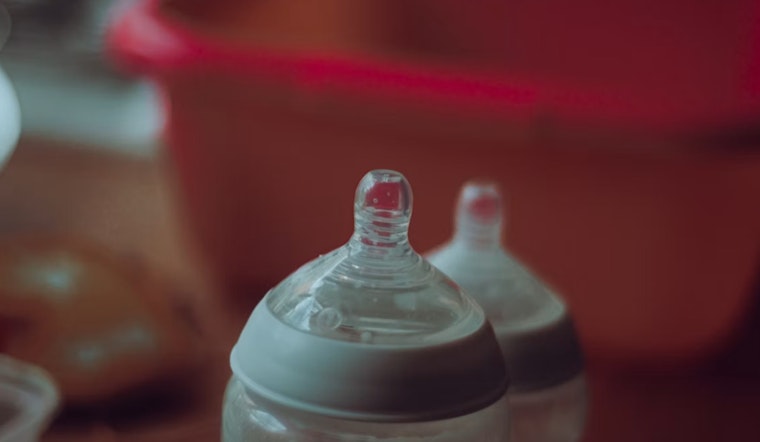
The St. Louis company behind the well‑known Dr. Brown’s anti‑colic baby bottles is hauling a New York soft‑drink maker into federal court after the soda company objected to the local firm’s new electrolyte drink. The St. Louis business is asking a judge for a declaratory judgment that shoppers will not mix up the two brands. It is a classic hometown baby‑products maker squaring off against a much older beverage label that happens to share the same name.
As reported by St. Louis Magazine, the dust‑up began when the New York soda producer sent a cease‑and‑desist letter in May, arguing the products overlap and that “the goods are highly related and overlap.” The St. Louis firm recently added flavored electrolyte solutions, including a watermelon flavor, to its lineup and insists that its packaging, typography and sales channels make consumer confusion unlikely.
According to Law360, the St. Louis company responded by filing a declaratory‑judgment complaint late last week, asking a federal judge to rule that there is no likelihood of consumer confusion and to head off the soda company’s threatened trademark claim. The filing lists attorneys at Thompson Coburn for the baby‑product maker and asks the court to resolve the dispute before it escalates.
How the brands stack up
The St. Louis Dr. Brown’s brand traces back to Dr. Craig Brown, who in the late 1980s developed an anti‑colic bottle design that grew into a national baby‑product company headquartered in the Tower Grove South neighborhood. The New York soda Dr. Brown’s, famous for Cel‑Ray, ginger ale and other old‑school flavors, dates to the late 1860s and often features New York imagery such as the Statue of Liberty or the Brooklyn Bridge on its labels, as St. Louis Magazine notes.
Trademark test judges will weigh
Trademark law turns on whether consumers are likely to be confused, and courts and the U.S. Patent and Trademark Office examine that question by looking at how similar the marks are, how closely related the goods are, how the products move through the marketplace and how sophisticated the buyers are. Per the USPTO’s Trademark Manual of Examining Procedure, similarities in the marks or overlapping trade channels can tilt a case toward a finding of likely confusion, while clear differences in goods and audiences can cut the other way.
What happens next is largely procedural. The complaint pulls the dispute into federal court, where the parties can seek early rulings, conduct discovery or try to negotiate a settlement. For now both sides are staking out their positions on paper while the court decides whether the two Dr. Brown’s brands can peacefully share retail shelves, according to Law360.



