

























































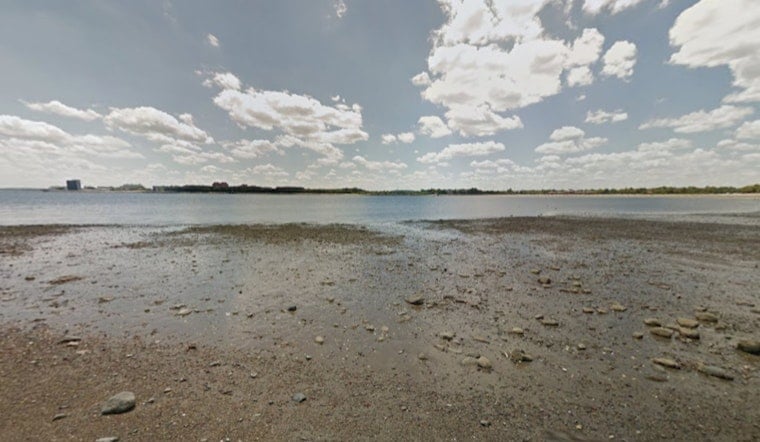
Curley Beach turned into a sting zone on Wednesday, as lifeguards in South Boston scrambled to post warning signs and clear jellyfish from the sand after several people were stung. Beach staff spent the day scooping up the animals and burying them, all while warning swimmers to be extra careful. Even so, some beachgoers still waded into the water by the Curley family beach.
According to WCVB, the stings happened on Wednesday and Boston Centers for Youth & Families responded by posting notices urging caution at the Curley Community Center beach. The station reports that lifeguards stayed on duty as crews removed jellyfish that had washed ashore, and that lion's mane jellyfish were spotted lingering at the water's edge.
How to treat a sting
Aquarium specialists and medical first aid guides say the first move is to avoid rubbing the sting site, which can make things worse. They recommend gently removing any visible tentacles with fine tweezers or the blunt edge of a card, then using vinegar to neutralize unfired stinging cells. The New England Aquarium is home to jelly experts and offers background on local species, while clinical advice suggests soaking the affected area in warm, not scalding, water to help with pain. For step by step first aid instructions, families can look to guidance from the Children's Hospital of Philadelphia.
Why they show up
Larger jellyfish such as lion's mane tend to drift closer to shore in early summer when tides, currents and weather steer them into shallow water. The Boston Globe has noted seasonal spikes in lion's mane sightings and how their numbers can swing from year to year, sometimes leading to more painful encounters. Because these jellyfish can still sting even after washing up on the sand, lifeguards typically respond by posting warnings and removing stranded animals.
At Curley Beach, lifeguards and BCYF staff are serving as the first line of response. Visitors who spot jellyfish on the sand are urged not to touch them and to alert lifeguards or center staff instead. The Curley Community Center's BCYF page lists contact information and details about the family beach: BCYF Curley. Anyone experiencing severe symptoms, including difficulty breathing, fainting, chest pain or signs of an allergic reaction, is advised to seek emergency care right away.





