

























































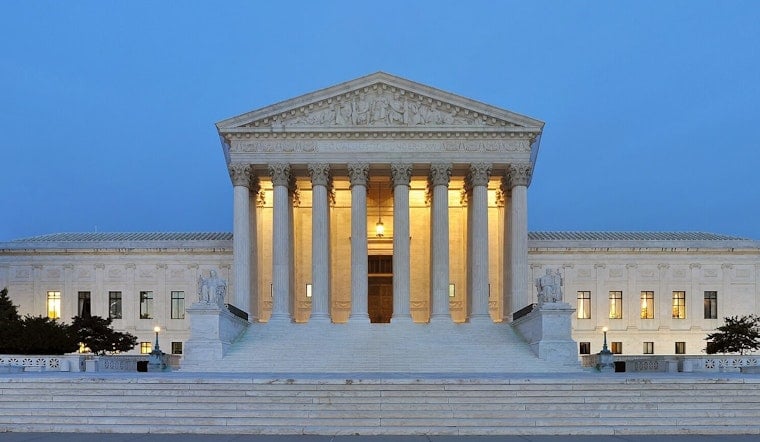
The U.S. Supreme Court has agreed to take up a challenge to Washington’s 2023 youth shelter laws, teeing up a high-stakes fight over when parents must be told that their runaway teens are seeking care. At the center of the dispute are rules that let teens seek gender-affirming care and certain reproductive health services without shelters immediately notifying parents. Instead, shelters can reach out to the state’s Department of Children, Youth and Families (DCYF). For Seattle-area families, youth advocates and shelter providers, the ruling could reshape how everyone communicates when a teenager bolts from home and says it is not safe to go back.
Supreme Court Adds The Case To Its Docket
As reported by Bloomberg Law, the justices agreed on Monday to hear the case, but for now they are zeroing in on a technical question. The court will decide whether the parents and advocacy groups that sued have shown a concrete, real-world injury that gives them standing to be in federal court at all. In other words, the justices are not yet weighing in on who is right about parental rights or youth safety, they are first deciding whether these challengers are even the right people to bring that fight.
What The Laws Change
The dispute traces back to several pieces of Washington law. One long-standing provision lets minors who are at least 13 receive certain outpatient treatment without a parent signing off. The 2023 updates added that when a young person in a shelter asks for “protected health care services,” which can include gender-affirming treatment, the shelter may contact DCYF instead of calling the parents first. The statutes also allow some shelter placements to extend for as long as 90 days. The U.S. Court of Appeals for the Ninth Circuit outlined these provisions in a July 25, 2025 opinion, and legislative analyses and bill reports from the 2023 session detail how ESSB 5599 and SHB 1406 changed notification rules and shelter time limits.
Who Brought The Challenge
In a America First Legal filing asking the Supreme Court to step in, International Partners for Ethical Care, Advocates Protecting Children and several sets of parents urged the justices to reverse the lower courts. The challengers, represented by conservative lawyers and advocacy groups, argue that Washington’s rules improperly sideline parents and chip away at their constitutional right to direct their children’s medical care. Their petition frames the entire case as a test of parental authority and of how far courts can go in policing alleged violations of that authority.
Legal Road So Far
The case has already hit two dead ends on its way to the high court. A federal district judge in 2024 tossed the lawsuit, calling the alleged harms too speculative and not concrete enough to satisfy Article III of the Constitution. In July 2025, a unanimous three-judge panel of the Ninth Circuit agreed, holding that the parents and groups had not shown present or certainly impending injuries. Because of those rulings, the Supreme Court is now poised to focus tightly on standing, the threshold question that controls whether federal courts can hear the challengers’ constitutional claims at all.
Why It Matters For Families And Shelters
Supporters of the 2023 changes say the laws are about keeping vulnerable youth alive long enough to work toward family reunification. They argue that some teens run because they are fleeing abuse or genuinely fear what will happen if their parents are called right away, and that involving DCYF can create a safer path back home. Mike Faulk, deputy communications director for the Washington Attorney General’s Office, told KIRO 7 that the law requires DCYF to make good-faith efforts to contact families and that the state’s goal is safe reunification, not permanent separation. Opponents see it very differently. They argue the statutes can edge parents out of critical decisions and insist that federal courts should be able to decide whether those shifts cross a constitutional line.
What To Watch Next
The Supreme Court is expected to hear the case during its next term, with oral argument likely to be scheduled sometime after October. A decision may not land until the following summer, which means months of legal tea-leaf reading for families, shelters and state agencies. As Bloomberg Law notes, the immediate issue is standing, but the ripple effects could extend far beyond that. The ruling could influence how states across the country balance child welfare concerns against parental rights and who gets a say when a teen shows up at a shelter’s door asking for help. Local advocates, providers and Washington officials say they will be tracking the docket closely as briefs stack up and the high court moves the case forward.





