

























































Federal prosecutors say a Texas physician turned college athletes’ health fears into a multimillion-dollar business, using “free” heart screenings as the front for an $89 million billing scheme that skipped proper medical review and allegedly missed signs that later preceded a patient’s death.
A federal grand jury on Tuesday indicted 53-year-old Jason Finkelstein in a case that prosecutors say ran from 2019 through the end of 2025, targeting student-athletes whose schools signed on for mass cardiovascular screenings. The government alleges many tests were billed to insurers as medically necessary even when they were not, and that Finkelstein certified scores of results without taking the time to truly review them.
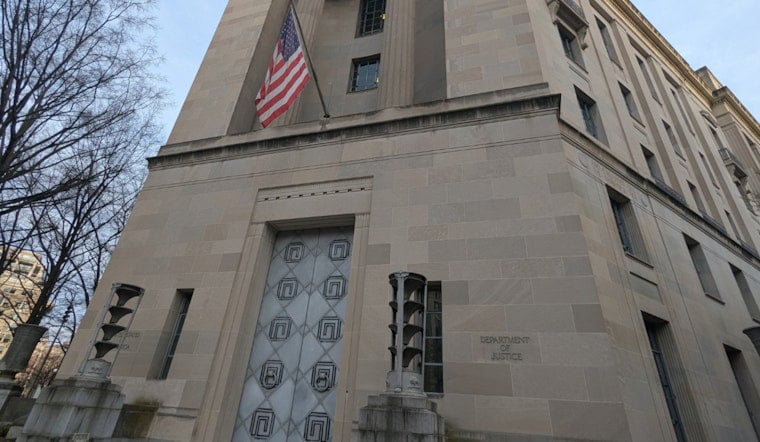
According to ClickOnDetroit, federal prosecutors unsealed charges accusing Finkelstein of health care fraud and conspiracy. Authorities said the case will be among several the Justice Department features at a news conference touting what officials describe as record results in a nationwide health care fraud crackdown.
Indictment Alleges Coast-to-Coast Billing Machine
Prosecutors say Finkelstein and his associates ran a Florida-based cardiovascular testing and treatment outfit that pitched “free” heart screenings to college students, then turned around and billed insurers for what the government calls medically unnecessary tests. The indictment alleges the company misrepresented diagnoses in order to secure reimbursement and, because Finkelstein held licenses in the 48 contiguous states, submitted claims for patients across the country, according to The Associated Press.
Allegations of Assembly-Line Medicine
The charging documents paint a picture of rushed, assembly-line reviews. In one 2024 example, prosecutors say Finkelstein signed off in roughly 11 seconds on about 63 cardiac test images. According to the government, those images showed multiple heart abnormalities that should have drawn serious attention but did not.
Prosecutors also allege the operation relied on sonographers who lacked required credentials to travel from campus to campus. Staffers are accused of dangling inducements to school officials to steer athletes toward the screenings. Centers for Medicare & Medicaid Services head Dr. Mehmet Oz publicly blasted the alleged conduct as “heinous,” saying health care fraud “doesn't just steal money, it can steal lives.”
Serious Heat Under Federal Law
Finkelstein now faces federal health care fraud and conspiracy counts that carry substantial potential prison time. Under the federal health care fraud statute, 18 U.S.C. § 1347, each count can bring up to 10 years in prison, with maximums increasing to 20 years if serious bodily injury results and up to life if a death results. Separate from the criminal case, the HHS Office of Inspector General can pursue civil monetary penalties and exclusion from federal health programs for false claims or billing tied to kickbacks, under existing HHS-OIG guidance.
Colleges in the Crosshairs
According to the indictment, co-conspirators emailed college and university athletic trainers with promises that the screenings could detect life-threatening heart conditions in their athletes. Prosecutors say those pitches sometimes came sweetened with kickbacks for school officials who funneled students into the program. The allegations are already prompting fresh questions about campus screening vendors and mobile testing outfits that promise free or low-cost exams, then bill insurers for far pricier procedures.
What Comes Next
Finkelstein pleaded not guilty during a brief federal court appearance in Florida, and the case will now grind through the federal system as prosecutors roll out their evidence. Beyond the possibility of prison time, the indictment could trigger insurer audits, civil litigation and administrative actions, as regulators and schools dig into how student-athletes were recruited, tested and billed.



