

























































Editor's Note: Details about the scope and timeline of Erin Douglas's Boston Globe reporting have been clarified, and additional context has been added since original publishing.
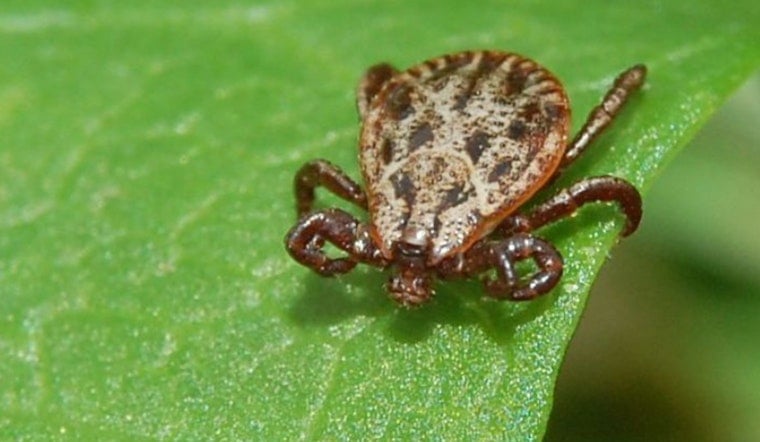
This summer, New England is getting an uncomfortable reminder that tick season is no joke. Diseases that used to be brushed off as "rare" - from babesiosis to the brain-inflaming Powassan virus - are showing up far more often. In Massachusetts, babesiosis rates have roughly tripled in recent years, and clinicians say that while Powassan infections are still uncommon, they can be devastating for the unlucky few who get them.
As reported by The Boston Globe, climate reporter Erin Douglas published a Boston Globe Magazine investigation tracing the environmental history of New England to explain why the region has become so hospitable to ticks and the diseases they carry. Douglas had previously reported on the Boyce family following the May 2024 death of Kevin Boyce from Powassan virus, and her Magazine piece expands that lens — tracking how infections once limited to remote woodlots are now turning up in suburbs and backyards, and traveling to Powassan, Ontario, to trace the virus to its very first known victim. The Globe links this shift to climate change, biodiversity loss, expanding deer herds, and suburban development that puts people and ticks in much closer contact.
The numbers behind the rise
Federal data put hard numbers on what doctors are seeing. A CDC analysis found that babesiosis incidence in Massachusetts climbed about 193% between 2011 and 2019 — nearly tripling — with several other Northeastern states posting similarly steep increases, according to MMWR. Three states not previously considered to have endemic babesiosis — Maine, New Hampshire, and Vermont — saw even larger jumps and are now classified by the CDC as endemic. Powassan remains rare but especially worrisome, because the blacklegged tick can transmit the virus in as little as 15 minutes after attachment — far faster than Lyme disease — and infection can progress to severe encephalitis, according to reporting in Emerging Infectious Diseases.
Why New England is so hospitable to ticks
Public health experts say this is what happens when several trends collide. Warmer, shorter winters and longer springs mean ticks stay active for more of the year. Fragmented forests and hefty deer populations create ideal habitat right up against where people live and play. A perspective in NEJM and a broader regional review in Frontiers both describe how lone star and black-legged ticks are expanding their range in the Northeast as climate and land use patterns shift. Local reporting and conservation scientists also point to rising deer numbers that effectively create new tick "breeding real estate" in yards, parks, and trailheads.
Who faces the worst outcomes
Babesiosis can be a nuisance or a nightmare, depending on who gets infected. Older adults, people without a spleen, and those with weakened immune systems face the highest risk for severe disease, according to Harvard Health. Powassan, while rare, can be brutally unforgiving. Clinical series and case reports compiled by Mayo Clinic researchers and collaborators show that Powassan infections can lead to encephalitis and long-term neurologic damage in survivors, which is why even a single confirmed case gets intense attention from clinicians (Mayo Clinic/PMC). Between 10 and 15 percent of symptomatic Powassan cases are fatal, and nearly half of survivors experience lasting neurological complications, according to public health data.
How to protect yourself
Public health agencies keep the prevention advice simple and practical. Use EPA-registered repellents such as DEET, picaridin, or oil of lemon eucalyptus on exposed skin. Treat clothing and outdoor gear with permethrin. Wear long pants, tuck them into socks, and do full-body tick checks every day after you spend time outside. Showering soon after coming indoors and tossing clothes in a hot dryer for 10 minutes can help dislodge or kill ticks that hitched a ride. Pets should be on veterinarian-recommended tick prevention and checked regularly as well, according to guidance from the Massachusetts Department of Public Health.
If you find an attached tick or develop fever, severe headache, or neurologic symptoms after a bite, health officials advise contacting your health care provider and local public health department right away.
For families like the Boyces, the warning has come at a terrible cost: one tick bite can upend an entire life. As The Boston Globe reported, relatives and clinicians are now pressing for better public education, faster testing, and clearer trailhead signs so people understand the risks before they step into the woods.


