

























































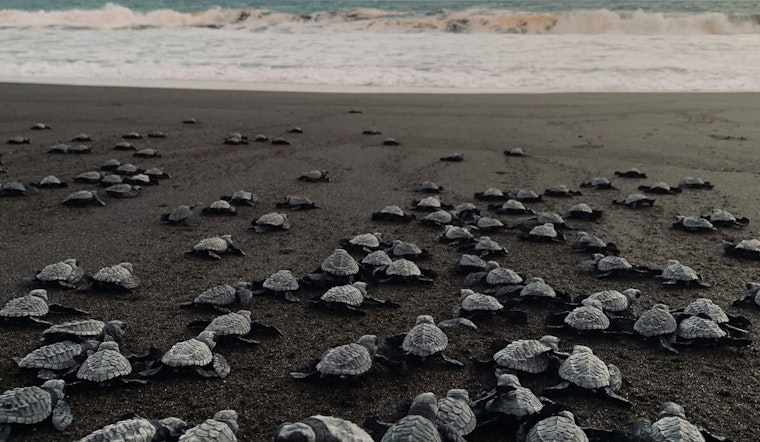
On some of Florida’s busiest stretches of sand, conservation volunteers and researchers are working in what amounts to a crowded, fragile construction zone. Shorebird eggs sit fully exposed on the beach, and freshly hatched chicks are tiny, speckled and wired to flatten themselves against the sand. That survival trick makes them nearly invisible under a foot, or under a tire, and with ATV patrols and rushed turtle surveys in the mix, volunteers are hustling to prevent accidental deaths.
As reported by Tampa Free Press, the Florida Fish and Wildlife Conservation Commission is urging operators to treat the sand like a slow zone while Florida Shorebird Alliance partners and Marine Turtle Permit Holders fan out across the coastline. The agency is telling anyone who must drive on the beach to use designated access points, move straight to the hard-packed sand near or below the high tide line, and travel slowly enough to spot eggs, chicks or hatchlings. Officials warn that even a quick pass or a few deep ruts can trap hatchlings, or startle adults off their nests long enough for heat and predators to do damage.
Why chicks are so easy to miss
Monitoring groups say nesting comes in waves, so the temporary fencing and bright flagging tape that mark bird habitat can stay up for months while shorebirds re-nest after failed attempts. The Florida Shorebird Alliance offers regional monitoring guidance, and Audubon Florida has pushed for targeted closures and on-the-sand stewards to keep those vulnerable scrapes protected for the full season.
That overlap creates serious rules-of-the-road headaches for turtle monitors, who often rely on ATVs during predawn patrols. If a sea turtle comes ashore and digs a nest inside a bird-protected zone, monitors are trained to assess the crawl from outside the ropes, drop a marker at the boundary and hold off on staking the nest, Tampa Free Press reports. Sea turtles dig deep egg chambers, often 10 inches or more below the sand surface, according to the Environmental Literacy Council, and groups such as the Loggerhead Marinelife Center say nesting is already underway this season.
Legal penalties and reporting
State and federal laws protect both sea turtles and many shorebird species, and tampering with nests or walking into posted zones can bring civil and criminal penalties. Florida law, in Chapter 379, bans taking, possessing or disturbing marine turtles, their nests or their eggs, and allows for fines and possible jail time in serious cases, according to the Florida Statutes. The Florida Fish and Wildlife Conservation Commission asks anyone who sees a suspected violation to contact its Wildlife Alert hotline and to honor posted closures while stewards are at work.
How beachgoers can help right now
The easiest fix is space. Give roped-off areas a wide berth, skip driving above the high tide line and crawl along the water’s edge if you are in a vehicle at all. Those who want to pitch in more directly can sign up with monitoring programs or seek stewardship training through the Florida Shorebird Alliance and local turtle watches, which coordinate patrols and public outreach throughout the nesting season.




