

























































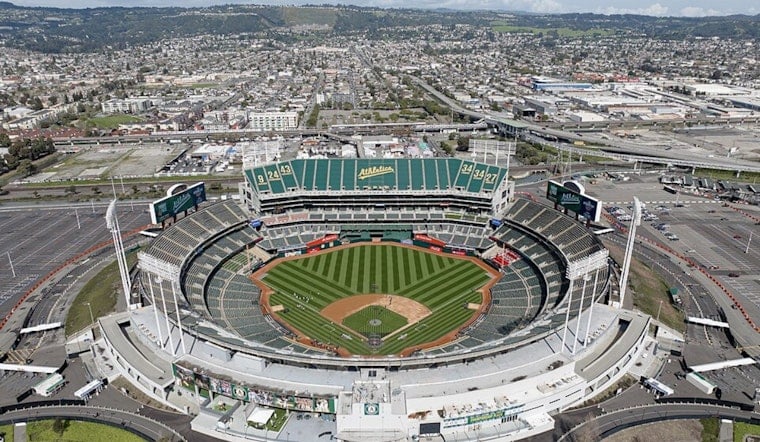
Union Pacific is paying a federal penalty after regulators say the railroad mishandled PCB-contaminated soil from cleanup work at its Oakland property, then sent the toxic dirt to the wrong place. Investigators allege the company failed to fully document and disclose PCB waste and shipped hundreds of tons of cleanup material to a landfill that was not authorized to accept it. The case ties into a long-running, multi-phase effort to address contamination along Arroyo Viejo Creek near the Oakland Coliseum.
Settlement details and allegations
According to Trains, the settlement with the U.S. Environmental Protection Agency builds on work that began in 2018 and zeroes in on how the railroad handled PCB cleanup waste. Regulators identified about 334 tons of PCB remediation material that were sent to a landfill not authorized to receive it, along with roughly 205 tons that were not properly documented to the receiving facility. As Trains reports, EPA’s Pacific Southwest office underscored that enforcing federal rules is central to protecting nearby communities.
Site cleanup history
EPA records show the small Union Pacific parcel just east of the Oakland Coliseum has been on regulators’ radar for decades. Testing and oversight began in 1998, and the agency signed off on a more comprehensive remedial work plan in 2018. Federal and state regulators have identified PCBs in soils and creek sediments and have required phased excavation, capping, and sediment work to keep contaminants from moving toward San Leandro Bay. These long-running steps form the backdrop for the recent enforcement action, according to EPA Pacific Southwest.
Local cleanup order
In October 2022, the San Francisco Bay Regional Water Quality Control Board adopted formal Site Cleanup Requirements for the Arroyo Viejo Creek channel and nearby uplands, naming Union Pacific and the City of Oakland and sketching out which reaches of creek and upland parcels must be addressed. The order spells out the targeted creek segment and upland properties around the 73rd Avenue block, along with required cleanup steps and monitoring for sediments and bank soils. The order, preserved in the agency’s adopted orders archive, details the local obligations tied to the cleanup, as documented by the San Francisco Bay Regional Water Board.
How PCBs must be handled
PCBs are controlled under federal law through EPA’s PCB program. Cleanup waste and bulk PCB materials must be managed under the Toxic Substances Control Act, known as TSCA, and shipped only to disposal facilities that are TSCA-authorized, with proper notifications and manifests. EPA guidance lays out the approved disposal pathways and recordkeeping requirements for PCB remediation waste. Penalties for violating TSCA’s disposal and reporting rules flow directly from the statute itself: 15 U.S.C. § 2615 authorizes civil penalties that cannot exceed limits set by Congress and also allows criminal sanctions in knowing or willful cases. See the U.S. Code for details, and the EPA for PCB program guidance.
Why this matters to Oakland
PCBs are persistent, bioaccumulative chemicals that can hitch a ride in stormwater and sediments, which is why the Water Board and EPA have spent years trying to stop contaminated soils and creek sediments from reaching San Leandro Bay. Local cleanup orders and federal oversight aim to cut exposure risks for wildlife and for people who use downstream waters and shoreline areas. The adopted Site Cleanup Requirements also lay out how regulators expect the site to be monitored and remediated over time. The San Francisco Bay Regional Water Board order maps the affected reach of Arroyo Viejo Creek and nearby uplands and explains why regulators pressed for additional action.
What comes next
Under the settlement, federal and state agencies will continue to oversee removal, disposal, and monitoring work at the Union Pacific site, and they may require the railroad to document disposal routes and receipts for contaminated material. As reported by Trains, EPA’s statement on the deal again stressed the agency’s commitment to enforcing rules that keep hazardous materials out of the environment and away from surrounding neighborhoods.
Regulators, and likely a fair number of nearby residents, will be watching the upcoming cleanup milestones and any follow-up orders or reporting that the Water Board and EPA require. For readers who want to dive into the technical side, the San Francisco Bay Regional Water Board order lays out site-specific obligations, while the EPA PCB pages outline the broader federal cleanup and regulatory framework.




