

























































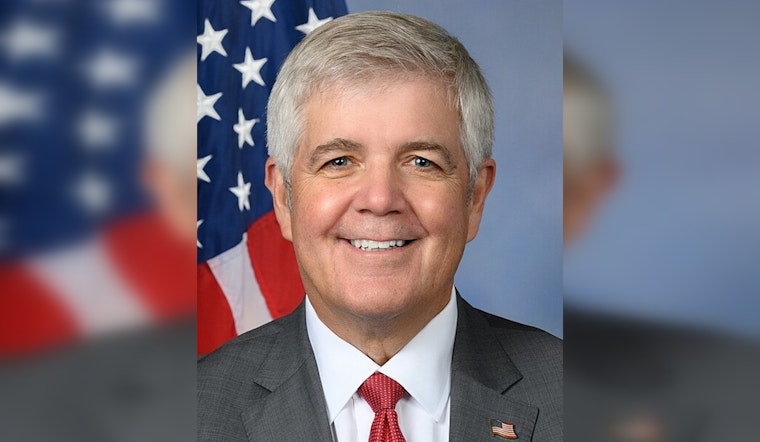
For years, people living in Juniper Canyon have worried about what happens if wildfire cuts off their only way out. Now Rep. Cliff Bentz is trying to put a literal escape route on the map, filing federal legislation that would give Crook County an 80-foot permanent right-of-way for a new public road from Oregon Route 380 into Juniper Canyon and transfer four 40-acre Bureau of Land Management parcels to the county for designated fire-safe zones. The idea is to create a backup evacuation route, give firefighters more staging room and knit fuel breaks around the Juniper Canyon community. County leaders say the lack of a second exit has been a long-standing fear, and the bill is designed to clear the federal red tape around using nearby public land for emergency response. It is an early move, one that still needs committee approval, funding and permits before any ground is broken.
What The Bill Would Do
As reported by KATU, Bentz said the proposal "gives Crook County the ability to create an essential evacuation route, strengthen firefighter access, and establish strategically located fire safe zones that can help protect lives, property, and critical infrastructure during wildfire events." The bill would convey four Bureau of Land Management parcels to the county, each about 40 acres, and grant an 80-foot permanent right-of-way that would connect OR-380 to Juniper Canyon Road.
Where The Measure Now Stands
Legislative trackers list the proposal as H.R. 8958. It was introduced in the House on May 21, 2026 and sent to the House Committee on Natural Resources, according to Quiver Quantitative. That means the plan is still in the early innings. The bill must clear committee and then the full House before anyone talks seriously about funding or construction approvals.
Longstanding Local Safety Concerns
Crook County has been poking at alternate access options for Juniper Canyon for several years, and with good reason. County planning materials note that roughly 2,000 households rely on Juniper Canyon Road as their only way in and out, and community surveys have repeatedly flagged the lack of a second exit as a major safety issue. The county's Juniper Canyon project pages show maps of possible alignments and note that the county already owns land that could host a connector road but does not have the money to build it. That funding gap has pushed local officials to look for state and federal partners to help move the project from planning document to pavement.
How The Conveyed Land Would Be Used
Under the draft bill language, the BLM parcels would be reserved for wildfire preparedness and emergency-response uses, not for private development. The sites would be geared toward fuel-break integration, firefighter operational safety, staging and emergency management activities, according to KATU. Crook County Commissioner Seth Crawford told the station he thanked Bentz for "working with Crook County to find land for an additional route out of Juniper Canyon," calling the move an important step toward addressing long-running evacuation worries.
Roadbuilding Reality: Permits, Money And Timing
Even if the federal right-of-way and land transfers go through, county officials caution that design work, environmental and other permits, and actual financing still have to line up, and none of that is fast. Crook County planning documents point out that the county does not currently have the funds to build the full connector and that state or federal road money may be several years out. The county's transportation plans and adopted budget list Juniper Canyon access as a multi-year priority that will require close coordination with ODOT and regional partners before anyone starts grading dirt.
For now, the bill gives Crook County a clearer legal path to the land and a stronger claim to build a long-sought second exit. Locals and officials will be watching what happens in committee and whether the money follows. Until then, the proposal is a concrete federal step toward an escape route that Juniper Canyon residents have been talking about for years, not a done deal.





_(centered).jpg)