

























































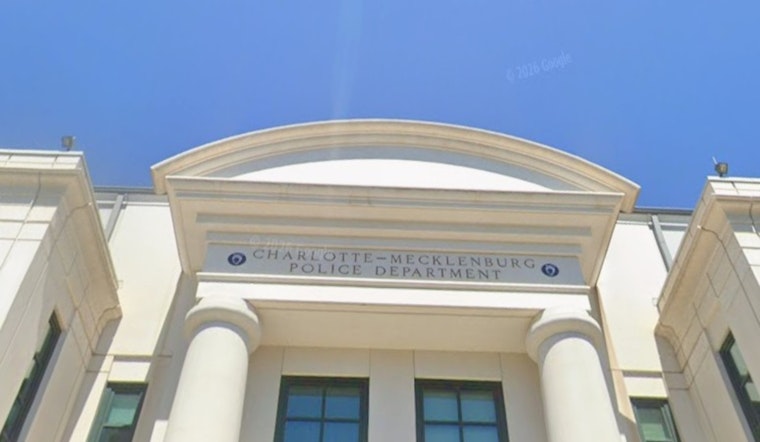
Tourists might soon help foot the bill for more police patrols in uptown Charlotte, if one City Council member gets his way. At a City Council committee meeting on Monday, District 5 representative JD Mazuera Arias urged colleagues to explore whether tourism-related taxes could legally be tapped to pay for additional police coverage in the city center. The idea leans on a recent state Supreme Court ruling and threatens to reopen a long-simmering fight between city leaders and the hospitality industry. For now, council members say the concept is strictly exploratory and could come back for deeper debate later this summer.
According to WFAE, Arias floated the proposal during a meeting of the City Council’s economic development committee, pushing the group to consider "any available funding" to boost safety on city streets. He framed the move as a focused way to add public-safety resources where visitor demand is heaviest in Uptown.
NC Supreme Court Ruling Cracks Door Open
In a May 22 opinion, the North Carolina Supreme Court in Costanzo v. Currituck County held that, under certain facts, a county could use special tourism tax revenue to bolster public safety because keeping tourists safe can count as a tourism-related purpose. That ruling has local officials wondering whether Charlotte’s own hospitality taxes might be interpreted in a similar way. The opinion and a case summary are posted on Justia.
A Familiar Flashpoint
The notion of loosening the rules around hospitality dollars is hardly new in Charlotte. Back in spring 2024, Councilmember Renee Johnson and others pushed for more flexibility in how tourism revenues could be spent, but hotel operators and the North Carolina Restaurant and Lodging Association quickly pushed back and the effort stalled out, as reported by WSOC.
Which Levies Would Be in Play?
Charlotte’s hospitality fund pulls from several dedicated revenue streams, including a 2% tax on hotel and motel rooms that is currently committed to the NASCAR Hall of Fame and a 1% prepared-food-and-beverage tax. The specific dedication of that 2% hotel levy means a portion of tourism income is already locked in by law, which complicates any attempt to redirect those dollars, according to The Charlotte Observer.
What Comes Next
City staff told the committee they will need to comb through the enabling statutes and local ordinances before any repurposing of hospitality funds can be considered. WFAE reports that staff already signaled the NASCAR Hall of Fame hotel tax is likely off-limits, while some other hospitality-related revenues might be more flexible. Business and development groups are already voicing caution about steering tourism dollars toward law enforcement. The council is not scheduled to meet in July and expects to revisit the topic in August, once staff deliver their analysis.
If council members decide to press ahead, the city could be headed for another round of tense debate between neighborhood safety advocates and the hotel and restaurant industry that has long guarded these taxes. For now, the idea remains a policy question on the study list, not a formal proposal on the verge of a vote.





