

























































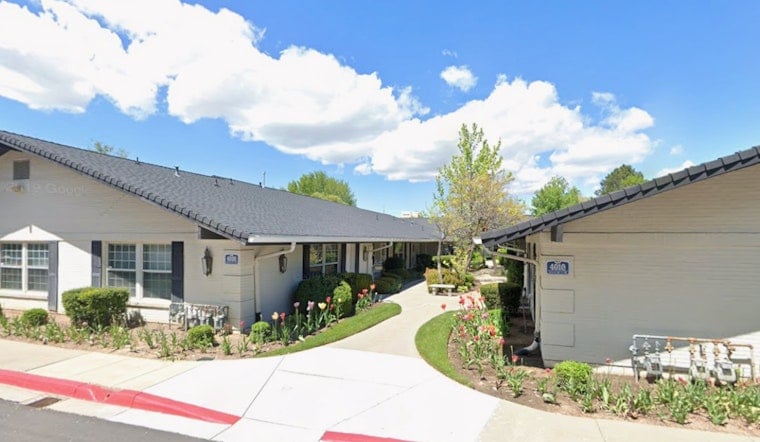
Across Daybreak and the wider Wasatch Front, independent dentists say they are finding themselves badly outgunned. Deep-pocketed dental groups and private equity-backed buyers come armed with professional acquisition teams that can outbid and outpace solo clinicians for a shrinking pool of practices. For doctors who want to keep clinical control, the choice often looks stark: assemble a rapid, professional deal team or watch viable opportunities disappear.
Last month, Dr. Cecilia Serrato managed to land Creekside Family Dental after going head-to-head with corporate suitors, as reported by KSL. The practice’s website lists Serrato as lead and shows the office in Daybreak. “It's very difficult nowadays, unless you own your own practice, to really have full autonomy,” Serrato told KSL.
How corporate buyers changed the math
Industry trackers and deal reports describe DSOs as acquisition platforms with scale and serious capital behind them. A 2026 DSO roll-up tracker outlines how the largest platforms now support thousands of offices and have reshaped valuation math for sellers, giving corporate buyers a pricing edge in competitive markets like the Wasatch Front, according to CT Acquisitions. Trade coverage has also spotlighted de novo expansions and new supported offices opening in Salt Lake City and surrounding suburbs; Group Dentistry Now has cataloged several recent moves into Utah.
Why local buyers are at a disadvantage
Individual dentists typically do not have a standing roster of attorneys, CPAs, and M&A advisors ready to jump in on short notice, unlike corporate acquirers. That gap can leave local buyers exposed to the details that matter most, such as payer contracts and true collections. Brian Hanks, founder of Dental Buyer Advocates, says advisors help buyers look beyond the asking price and spot deal pitfalls that would otherwise slip through the cracks. That mismatch, where sellers and brokers have professionals on their side and many would-be buyers show up with little more than a loan preapproval, helps explain why so many practices end up selling to groups instead of local doctors.
How some dentists still win
Some Utah dentists are responding by building their own rapid-response deal teams and moving quickly. KSL reported that Dr. Matt Bender successfully purchased a practice in Cottonwood Heights, then introduced systems and contracts that increased the practice’s value. His local listing at Old Mill Family Dentistry shows him on staff in Cottonwood Heights and illustrates how a hands-on transition can function on the ground. Advisors say decisive buyers who clean up records and negotiate leases often outcompete one-off offers from corporate outreach teams.
What this means for patients
When DSOs scale, they negotiate payer contracts and centralize billing, which can change reimbursement dynamics and influence how practices prioritize services. The 2026 tracker from CT Acquisitions describes insurance negotiation as a key “moat” that increases margins for supported practices. Critics caution that private equity-style ownership models can introduce incentives that do not always line up with long-term patient care, a concern examined by commentators at LegalClarity and other industry outlets.
For dentists who want to keep their practices locally owned, the emerging playbook is straightforward: hire advisers, audit payer contracts, and move decisively when a viable opportunity appears, according to experts. Brian Hanks' team and similar buyer-advocate firms are marketing exactly that service to dentists who feel squeezed by a crowded market. Dental Buyer Advocates estimates that thorough due diligence can save buyers tens of thousands of dollars and help preserve clinical autonomy.





