

























































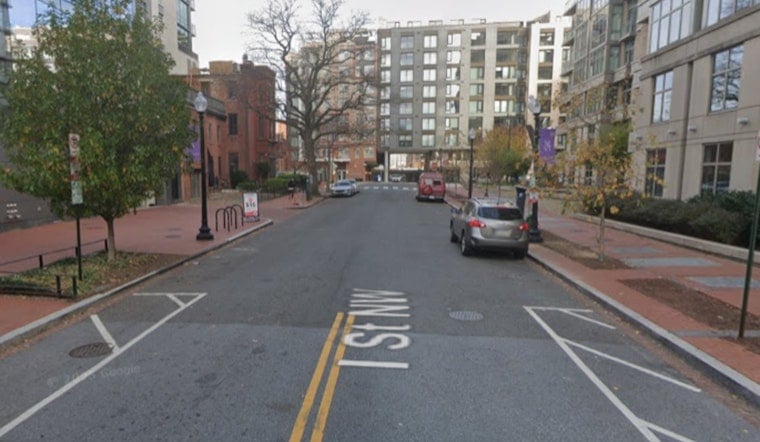
The seven-story office building at 425 Eye St. NW has been transferred to special servicing after the Department of Veterans Affairs bowed out of renewing its roughly 241,000-square-foot lease, cutting off the property’s biggest stream of rent. The shift, flagged on June 26, 2026, leaves the owner and its lenders scrambling to plug the cash-flow hole at a time when downtown Washington is already struggling with softer office demand. For the lenders, the clock is now ticking to hammer out a workout, backfill the vacancy, or test the market for the debt.
According to the Washington Business Journal, the loss of the tenant triggered the move into special servicing, and the building was about 77% occupied before the VA’s lease rolled. The outlet reported that the servicing shift followed the agency’s decision not to stay in the building after roughly a decade in the space.
Regulatory records for the GSMS 2021-GSA3 securitization show the VA had been leasing about 241,398 square feet in the 374,667-square-foot property and that its lease expired June 6, 2026, with no renewal options. The same documents note that the VA accounted for more than 60% of the building’s underwritten base rent, making the agency’s departure a material hit to loan performance. Securities and Exchange Commission filings reviewed by industry analysts contain the detailed breakdowns of the loan and its tenant roster.
Loan background and lender exposure
The financing on 425 Eye St. was set up as a roughly $102.2 million whole loan in 2021 and drew attention when the refinancing package closed, according to industry coverage at the time. The Commercial Observer reported on the deal structure and participating lenders, leaving the resulting securitization and its servicing playbook at the center of how investors respond to the sudden rent shortfall.
What special servicing means
The pooling and servicing documents give the special servicer the power to impose lender-controlled cash management, sweep rents into lockbox accounts, order fresh appraisals and pursue a sale, modification or other workout aimed at protecting bondholders. Those tools are standard in CMBS and whole-loan servicing agreements and are meant to preserve value while a long-term fix is negotiated. In the near term, the special servicer typically focuses on stabilizing income and testing options for refinancing or disposition, even if none of those paths looks especially easy.
Where this fits in D.C.'s office slump
Market observers see the 425 Eye St. situation as part of a broader wave of downtown loans drifting into special servicing as big tenants shrink or depart and federal space needs keep shifting. Hoodline has spotlighted similar pressure at other downtown properties, underscoring how reliance on a single major tenant can turn one move-out into a full-blown financing headache. The piece on the International Square Loan On The Ropes is one prominent recent example.
What happens next at 425 Eye St. will hinge on whether the owner can land a sizable replacement tenant or whether the General Services Administration and the VA decide to re-procure space in the property. The GSA is the federal office that oversees leasing and disposition of government real estate, and its GSA leasing policy and procurement timelines shape how quickly agencies vacate, reassign or secure office space. In the meantime, the special servicer is expected to concentrate on near-term cash preservation while weighing a potential sale, refinance or loan modification.
For downtown brokers, investors and tenants, the developments at 425 Eye St. serve as another reminder that deals pinned to a single large federal user are unusually fragile right now. How quickly a new anchor tenant is signed, and whether the loan is sold or restructured, will determine if this remains a relatively contained workout story or turns into a higher-profile marker of the broader office reset in the nation’s capital.





