

























































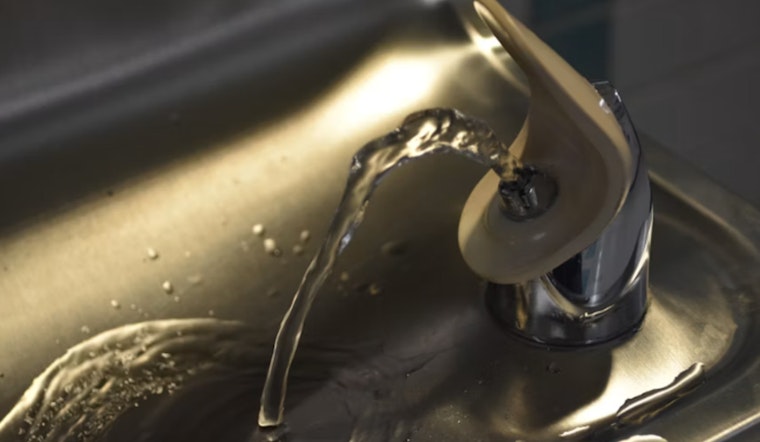
Nevada leaders are racing to keep people safe from brutal heat, but they are still working through a very basic question: where can residents reliably find cold water and a place to cool down. Counties across the state are rolling out tree giveaways, heat inventories and pop-up cooling sites, yet lawmakers and community groups told a joint legislative committee this spring that many plans still lack clear, operational details for public drinking water and round-the-clock cooling. That gap puts long-term tree canopy goals out in front of short-term, life-saving services for the neighborhoods that need them most.
AB 96, the 2025 law that requires counties with populations of 100,000 or more to include a heat-mitigation element in their master plans, spells out tools such as public cooling spaces, public drinking water and shade over paved surfaces. As outlined by the Nevada Legislature, the statute takes effect July 1, 2026 and applies to Clark and Washoe counties.
On the ground in Southern Nevada, Clark County’s “Stay Cool” program is leaning heavily on trees and other resources in the hottest neighborhoods. According to All-In Clark County, the county has given away about 4,500 trees since fall 2024 and uses a regional heat resource map to help target plantings and outreach.
Cooling Centers And Water Access Remain Patchy
County officials reactivated dozens of cooling stations during a mid-March heat spike, but many of those locations only open during declared high-heat events or keep limited hours, according to Clark County. Local reporting by KNPR described how those short activations still left evening and overnight gaps. Lawmakers and advocates say that kind of patchwork leaves at-risk residents without dependable access to hydration and refuge when temperatures stay high after dark.
Trees Aren't A Quick Fix
Building tree canopy is central to Nevada’s long-term heat strategy, but trees take years to deliver street-level cooling and typically require steady irrigation in a desert climate. The Regional Transportation Commission’s heat-mapping project, done with local partners and community science surveys, has pinpointed neighborhoods with the worst heat exposure and helped prioritize where trees should go, as shown on the RTC heat maps. Those maps, along with local tree inventories, underscore that planting alone is not enough and that new canopy needs to be paired with near-term measures such as clearly mapped water refill points and extended hours at cooling sites.
Reno, Washoe Face Different Needs
Officials in Washoe County say rural and urban communities will need different kinds of responses, and they have opened a public comment period to help shape their heat-mitigation element. This Is Reno reports that the county is soliciting input as it prepares to fold heat strategies into master planning for Reno, Sparks and surrounding areas.
Why It Matters
Nevada’s population centers are warming fast. Climate Central lists both Reno and Las Vegas among the fastest-warming U.S. cities, which raises the stakes for long-range planning and immediate relief at the same time. With AB 96 set to take effect July 1, 2026, local governments have a short runway to turn master-plan language into real-world, mapped services that deliver water and cooling when people actually need them.
What's Next
Lawmakers have asked local jurisdictions for geolocated data on past giveaways, tree survivorship and a detailed inventory of facilities that can dispense water or be converted into cooling centers, and officials said they would return with follow-up materials before the law takes effect. Counties are now on the clock to turn planning documents into concrete action this summer, and advocates say the first test will be whether mapped refill points and longer cooling-center hours are in place before temperatures spike again, per the Nevada Legislature.



