

























































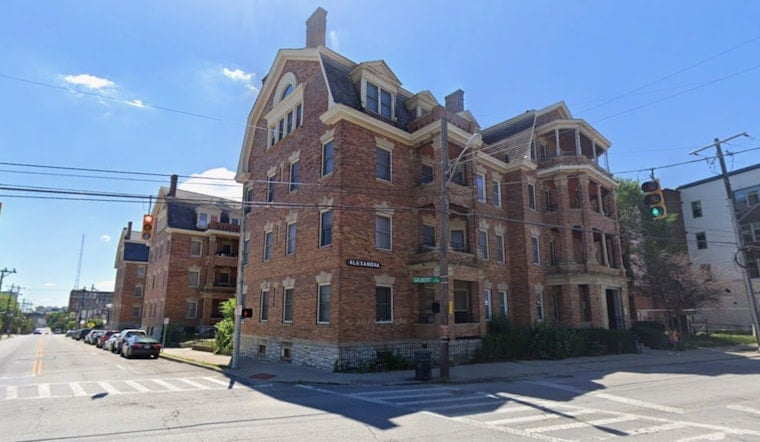
A 120-year-old Walnut Hills apartment building that many Cincinnati seniors call home just got a $14.2 million second act. The Alexandra has reopened after a major rehab that preserved 83 affordable apartments for older residents. The work modernized key building systems, added accessibility upgrades, and refreshed common areas, all while keeping rents restricted for households earning at or below 60% of the area median income. City officials and neighborhood leaders marked the reopening this week as a hard-won victory for residents who had feared displacement.
Renovation work and timeline
This was not just a cosmetic touch-up. The overhaul brought a new roof, replacement windows and doors, extensive masonry restoration, HVAC and water-heater upgrades, modernized kitchens and appliances, and LED lighting. Common spaces also got a lift, including a refreshed community room, a new fitness room, and upgraded laundry facilities. Construction began in August 2024 and wrapped in March 2026, with the building reaching full occupancy in May. The project also added Section 504-compliant mobility and vision/hearing units, plus outdoor improvements such as new landscaping, benches, a grilling area, and an accessible walking path, according to WCPO.
Neighborhood groups stepped in to save the building
Before the construction crews showed up, the Alexandra had slipped into serious disrepair under previous ownership and landed in foreclosure, which set off alarms for housing advocates. The Walnut Hills Redevelopment Foundation bought the property in 2021 and teamed up with The Model Group to keep it from being converted to market-rate housing and to preserve affordability for existing tenants, according to the Walnut Hills Redevelopment Foundation. That early move cleared the way for a preservation-focused redevelopment that kept the building in the subsidized senior housing portfolio.
Funding partners and preservation strategy
National Church Residences led the rehabilitation effort, with Model Construction as general contractor and New Republic Architecture guiding the historic-preservation approvals. Per the Ohio Housing Finance Agency proposal, the financing package relied on a mix of construction lending, tax-credit equity, federal housing support, and other permanent sources to make the numbers work. WCPO reports that Fifth Third Bank played a dual role as both construction lender and equity investor, part of a layered funding strategy that is increasingly common in complex preservation deals.
Who lives here now
The Alexandra primarily houses residents aged 62 and older and now includes four efficiency apartments, 64 one-bedroom units, and 15 two-bedroom units. Apartments are reserved for households earning no more than 60% of the area's median income, and management reports that the community is fully reoccupied after phased relocations during construction, according to National Church Residences. Many tenants have lived in the building for years, and advocates say protecting those long-term residents by keeping the existing units affordable was at the heart of the project.
Historic significance and broader context
Built in 1904, the Alexandra is a familiar Walnut Hills landmark and is listed on the National Register of Historic Places. Preserving older, subsidized apartment buildings like this has become one of the tools local leaders and developers rely on to maintain senior housing options as neighborhoods change, a strategy reflected in community planning documents and the project filings cited above. City officials and neighborhood advocates now point to the Alexandra as a case study in how public, private and nonprofit partners can work together to protect affordable homes for older residents instead of watching them quietly disappear.





