

























































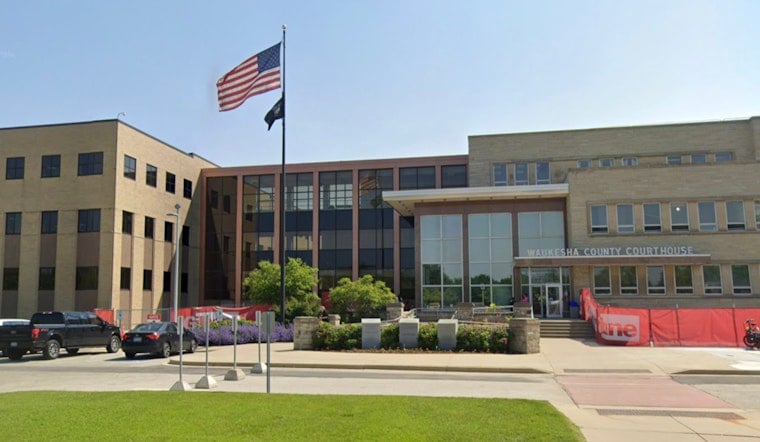
Waukesha County now sits at the top of Wisconsin’s wealth ladder in a new statewide ranking, with a ring of Milwaukee suburbs and a few Madison-area communities grabbing most of the highest spots. The SmartAsset-built list places Ozaukee, St. Croix, Washington and Dane among the 10 richest counties in the state, highlighting how wealth clusters along the Lake Michigan shore and around the state capital. The ranking blends household income, investment income and home values into a single “wealth index.”
As reported by Milwaukee Journal Sentinel, the statewide roundup was published June 28, 2026 and is based on analysis produced by SmartAsset. The Journal Sentinel’s write-up walks readers through which counties rose or fell on the list and points out where investment income and property values are doing the most to shape the rankings.
SmartAsset’s statewide ranking places these counties in the top 10 for overall wealth: Waukesha, Ozaukee, St. Croix, Washington, Dane, Pierce, Calumet, Walworth, Iowa and Columbia. The SmartAsset analysis is part of a national data project that compares counties by income, investment receipts and home values to create a single index; SmartAsset lays out the broader methodology.
Where the wealth is
Waukesha County’s numbers underline the suburban edge. U.S. Census QuickFacts (2020–2024 estimates) lists the county’s median household income at about $106,076 and the median value of owner-occupied homes near $398,200. Milwaukee County, by comparison, has a substantially lower median household income and home value, illustrating the income gap inside the same metro area; the Census QuickFacts pages show those county-level contrasts. The Journal Sentinel reports that Ozaukee County leads the state on investment income, and that Walworth and other collar counties also post elevated investment receipts that help boost their "wealth index" scores.
How the ranking works
SmartAsset’s "wealth index" weights three inputs: median household income, investment income reported on tax returns and median home value. That means counties with high investment returns or expensive housing can rank well even if wages for typical residents lag. The result is an asset- and housing-driven snapshot of wealth rather than a pure measure of median wages or poverty, a methodological caveat SmartAsset highlights on its site.
The ranking serves as a reminder that statewide averages hide sharp local differences in incomes and housing costs, and it feeds into debates over property taxes, school funding and development priorities across Wisconsin. Local readers who want the full county-by-county breakdown can consult the Journal Sentinel’s roundup for the complete list and county figures.





