

























































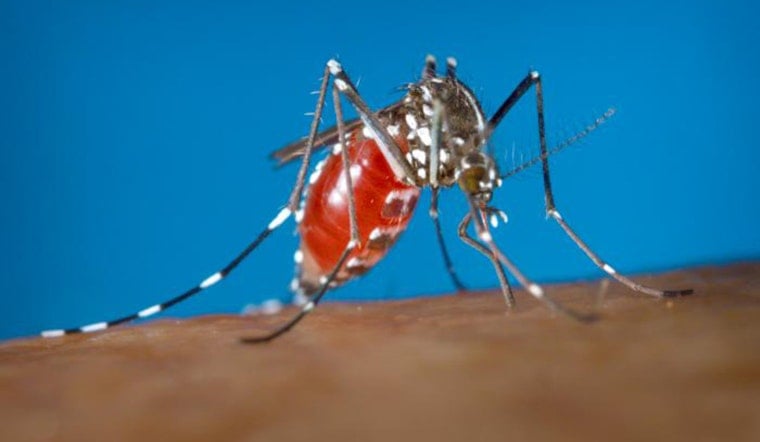
West Austin is officially on mosquito watch after Austin Public Health confirmed Tuesday that a mosquito pool in western Travis County tested positive for West Nile virus, the first positive pool of the year. There are still no reported human cases, but officials say the result shows the virus is circulating locally and are urging residents to take extra care during peak mosquito hours.
In a June 30 news release, Austin Public Health said the positive sample came from the 78733 ZIP code. The department also noted that in 2025 there were 41 West Nile‑positive mosquito pools and five reported human cases in Austin‑Travis County. Local station KXAN reported on the finding and shared the agency's guidance for residents.
Statewide context and risk
The Texas Department of State Health Services confirmed the state's first human West Nile illness of the year in Harris County in May, underscoring that the virus is active across Texas, according to DSHS. The Centers for Disease Control and Prevention notes that most infected people never develop symptoms, roughly 20% experience fever and other flu‑like symptoms, and fewer than 1% develop severe neurologic disease. Risk increases with age and certain underlying medical conditions, according to the CDC.
How to protect yourself
Austin Public Health is urging residents to stick to the “four Ds” of mosquito protection: drain standing water, limit outdoor activity from dusk to dawn, dress in long sleeves and pants, and use an EPA‑registered insect repellent when outdoors, Austin Public Health said. People over 60 and those with conditions such as cancer, diabetes, hypertension, kidney disease or a history of organ transplant face a higher risk for severe illness.
Surveillance and mosquito testing typically continue through the summer and into November, helping public health officials target outreach and control efforts where they are needed most. If you develop fever, headache, body aches, vomiting, diarrhea or a rash after mosquito exposure, contact your healthcare provider and mention recent mosquito bites so they can consider testing and appropriate care.





