

























































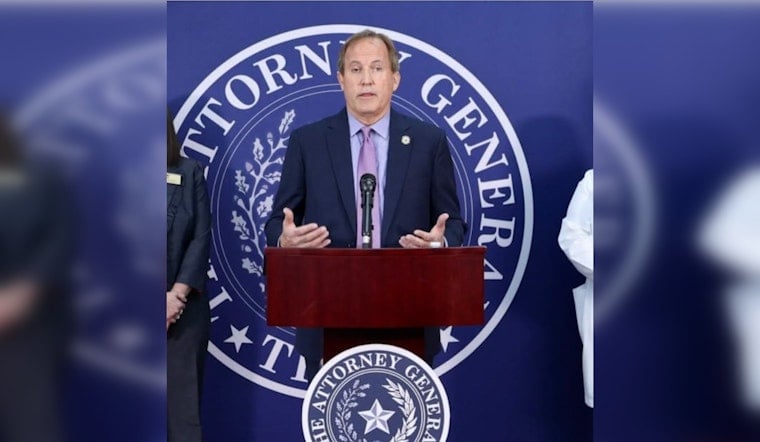
Texas Attorney General Ken Paxton said Monday that his office has launched industry-wide investigations under his Make America Healthy Again (MAHA) initiative, zeroing in on several feminine-care and cosmetic brands and issuing civil investigative demands to major tampon makers. The probe will cover products ranging from tampons to lip balms and lipsticks and will look at whether they contain toxic heavy metals and whether companies misled consumers about product safety. Paxton said investigators will scrutinize marketing, testing and ingredient disclosures.
State issues document demands to major brands
The attorney general's consumer-protection division has sent civil investigative demands to Tampax, Kotex, L. and LOLA as part of an industry-wide review, according to the Office of the Attorney General. The release says investigators will request documents and communications about product testing, ingredient sourcing and marketing to decide whether companies misled consumers. Paxton’s office described the reviews as focused on potential violations of the Texas Deceptive Trade Practices Act.
What the academic study found
A 2024 peer-reviewed study published in Environment International measured 16 metals in 30 tampon samples across 14 brands and reported detectable concentrations of lead, arsenic and cadmium. The authors cautioned that their lab method measured total metal content after acid digestion and did not determine whether those metals are released during typical use or absorbed through vaginal tissue.
FDA review and risk assessment
The Food and Drug Administration commissioned an independent literature review and conducted an internal bench laboratory study; the agency says its toxicological assessment found that, while trace metals can be detected in tampons, the amounts released under conditions that mimic use are too small to cause harm, according to the FDA. The agency notes that its work is intended to inform risk assessments and industry testing and labeling guidance.
Legal and industry fallout
The 2024 findings have fueled consumer lawsuits alleging misrepresentation and failure to warn, and court filings show some cases have moved into discovery, according to federal dockets. The state inquiry will focus on whether product claims by both mainstream and "clean" brands amount to deceptive trade practices, per Justia.
What comes next
Civil investigative demands typically lead to months of document collection and review. Paxton's release emphasizes that the probe is an early, non-accusatory investigative step, according to the Office of the Attorney General. Companies served with CIDs often turn over lab reports and marketing records while regulators decide whether to pursue enforcement actions, fines or corrective measures.



