

























































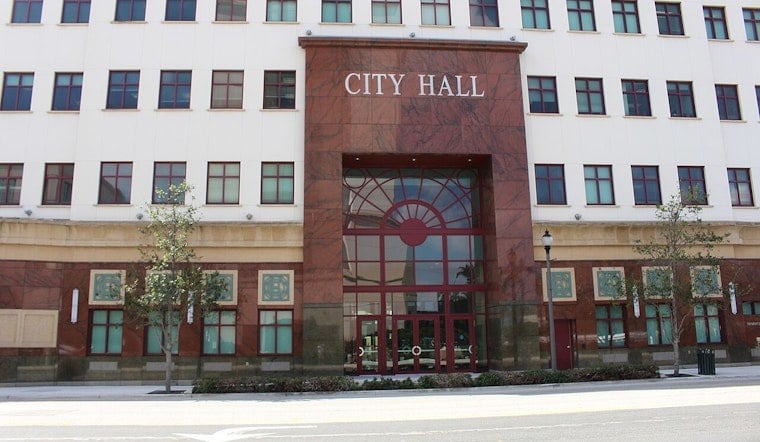
As Pride Month kicked off, West Palm Beach did something very on brand for a city that likes to call itself welcoming: Mayor Keith A. James tapped Jade Greene as the city’s new LGBTQ+ liaison, giving queer residents a direct line into City Hall even as Florida moves to clamp down on government diversity programs.
Greene will serve as the mayor’s go-to for LGBTQ+ outreach while keeping her day job running housing and community development. The move, city leaders say, is about making sure residents know exactly who to call when they need help navigating services or flagging concerns.
Speaking to local media, James framed the appointment as part of the city’s long-standing inclusion playbook. As reported by CBS12, he said, “West Palm Beach is committed to being a welcoming and inclusive community where every resident is valued and respected.” The mayor praised Greene’s track record in neighborhood work and cast her as a trusted partner for residents.
Greene, according to the station, told city leaders she was honored to step into the role and planned to focus on listening, learning and relationship building across the city’s diverse neighborhoods.
The City of West Palm Beach’s official liaison page confirms that Jade A. Greene is serving as the mayor’s LGBTQ+ liaison and identifies her as the Director of Housing & Community Development. The page lists her contact information and describes the liaison as a bridge between residents, community groups and City Hall, with a focus on improving access to municipal resources for LGBTQ+ individuals and organizations.
State Law In The Background
All of this is unfolding with a statewide political storm building in the background. Florida’s 2026 measure targeting local diversity, equity and inclusion programs was approved by the governor in April, with an effective date of January 1, 2027. The law restricts how counties and municipalities can fund and operate DEI efforts, and it is already forcing local governments to rethink how they structure outreach.
The bill bars local governments from creating or funding DEI offices or officers and voids ordinances, resolutions or policies that fall under what it defines as DEI activity, according to the Florida Senate. Municipal leaders around the state have been publicly wrestling with what counts as compliance and what might cross the line.
Legal Implications
The stakes are not just political. The measure builds in enforcement teeth, labeling a violation by an official as “misfeasance or malfeasance in office” and allowing residents to file circuit court actions for declaratory or injunctive relief, damages and costs, per the Florida Senate. That means cities are looking at potential lawsuits, not just sternly worded memos, if programs are deemed to fall under the new restrictions.
A City With A History Of Outreach
West Palm Beach has spent years cultivating an LGBTQ-friendly reputation, pointing to local protections and prominent Pride displays as evidence of a two-decade commitment to inclusion, according to the city’s own materials. The liaison page and municipal records trace a history of City Hall working directly with advocacy groups and neighborhood organizations to connect residents with services.
Local advocates say that in this kind of legal climate, simply having a named point person can still matter. Greene’s appointment gives residents a clear place to start as officials and community groups sort out what the new law will mean for everything from grants to public events.
City staff and advocates have indicated they will keep a close eye on how the state measure is implemented while trying to preserve support for vulnerable residents. For now, Greene’s role will ultimately be judged on whether it keeps West Palm Beach accessible and responsive to its LGBTQ+ community through Pride season and well beyond.





