

























































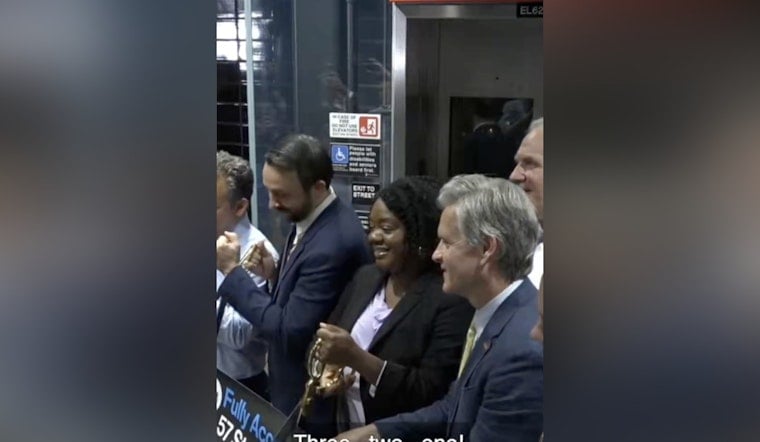
Midtown just picked up a big win for riders who cannot do stairs. The 57th Street station on the M line is now the first subway stop made fully accessible through New York City’s Zoning for Accessibility program, the MTA announced Tuesday. The upgrades add two elevators and a set of station improvements paid for by a private developer, creating step-free access to a busy corridor that serves Carnegie Hall, Central Park-adjacent blocks and a forest of office towers and shops. Transit advocates are calling the project a long-awaited milestone in the push to make more stations usable for riders who rely on elevators.
The MTA shared the news on X with the caption "Private investment. Public benefit." and highlighted that 57 St on the M is the first station made fully accessible through Zoning for Accessibility, X shows. The work came from developer Sedesco as part of an agreement tied to its project at 41–47 West 57th Street, and the company is on the hook for both the elevator construction and long-term maintenance, reporting by Commercial Observer found. City planners and the MTA have pitched the Zoning for Accessibility setup as a tool to speed upgrades without dipping into the agency’s capital budget.
How the ZFA Deal Delivered Elevators
Under the agreement, the developer installed a street-to-mezzanine elevator near the southwest corner of West 56th Street and Avenue of the Americas, plus a mezzanine-to-platform elevator, a machine room, communications equipment and a reconfigured fare line to fit in the new lifts, according to an MTA Construction & Development report. Built as a transit-improvement bonus tied to the private project, the package makes the IND Sixth Avenue Line stop fully ADA compliant without direct capital outlays from the agency. MTA documents say this model can speed construction timelines and cut taxpayer costs compared with traditional procurement.
What Riders Will Notice
"Riders with disabilities ... will benefit from these new elevators," MTA Chief Accessibility Officer Quemuel Arroyo said in the agency statement, the MTA noted. The new street-level elevator and the mezzanine-to-platform lift wipe out what used to be a multi-block detour for many customers and should ease crowding at the nearest accessible stations during concerts, events and rush-hour crunches. The project also added Help Point intercoms and updated signage to improve wayfinding for riders with sensory and mobility needs.
Where This Fits In The Bigger Push
Elevate Transit: Zoning for Accessibility, a city zoning text amendment approved by the City Council in October 2021, lets the MTA seek easements or require developers to build station improvements in exchange for additional floor area, according to the New York City Department of City Planning. City Planning says the policy is meant to speed station upgrades and better line up subway entrances with new development rising above them.
What's Next
The ZFA strategy runs alongside the MTA’s broader capital priorities. Metro Magazine reported that the authority plans nearly $7.1 billion for station accessibility in the 2025–2029 Capital Program, with at least 60 stations slated for new elevators or ramps. Metro Magazine and other trade reporting note that additional ZFA projects, including work linked to Queensboro Plaza and Nevins Street, are already underway. Advocates say private partnerships can speed elevator installations, while also warning that strong oversight will be crucial to keep those elevators reliable and well maintained over time.
The 57th Street milestone will serve as a closely watched test case for privately funded accessibility upgrades. If this model holds up, delivering durable, well-maintained elevators at scale, it could materially change how fast tens of thousands of New Yorkers gain step-free access across the system. For now, the station stands as a very visible example of the city’s attempt to turn zoning leverage into concrete, steel and working elevator cabs.





