

























































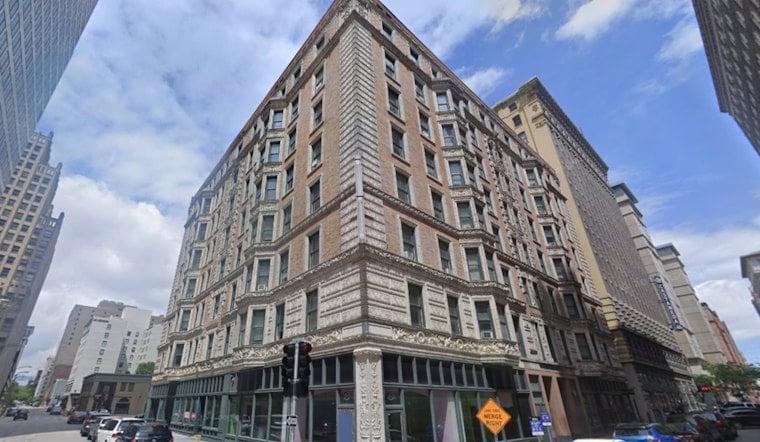
Missouri Attorney General Catherine Hanaway is zeroing in on the Mark Twain Hotel in downtown St. Louis, saying she will move to shut the doors on the century-old building she bluntly labeled “a hellhole.” Her comments come after years of resident complaints, media scrutiny, frequent police calls and a long trail of visible neglect at the once‑grand property, now better known as troubled low‑income housing than as a historic hotel.
Historic Building Turned Affordable Housing Flashpoint
The Mark Twain opened in 1907 as a traditional hotel and was later converted into a large multifamily complex with more than 230 units, according to public records and real estate listings. Affordable Housing Hub reports that the property now operates as roughly 200 low‑income studio apartments supported by federal tax credits. That scale, combined with its subsidized status, means any shutdown would upend life for dozens of tenants who depend on below‑market rent.
Hanaway: 'It's a Hellhole'
Hanaway has put the Mark Twain on a short list of what she considers the city’s worst problem properties and says her office is preparing legal options. Speaking with First Alert 4, she did not mince words: “It’s a hellhole,” she said, adding that she believes drug trafficking is taking place inside the building.
The same First Alert 4 report, citing St. Louis Metropolitan Police dispatch logs, counted at least 938 calls for service tied to addresses associated with the Mark Twain between June 25, 2021 and June 25, 2026, a number that helps explain why neighbors and nearby businesses say they are fed up.
Ownership Turmoil, Loan Fight and Visible Decay
The building’s current owner, Anchor Point Hotel LLC, purchased the property in 2023. It is now entangled in a lender lawsuit, with Catalytic Holdings, LLC claiming it is still owed about $4.8 million. That case is scheduled for trial in September 2026. City records referenced in coverage also list roughly $70,000 in unpaid property taxes.
Photos obtained by investigators show what residents have been complaining about for years: water‑stained walls and ceilings, soaked carpeting and an elevator that is out of service. Asked point‑blank whether she would try to close the Mark Twain, Hanaway told First Alert 4, “I hope so.”
What a Shutdown Would Mean, and the Risks
Local housing advocates and service providers warn that simply locking the doors could create as many problems as it solves. An abrupt closure would likely displace low‑income tenants with few backup options, and outreach workers say drug activity does not disappear so much as relocate when a building is boarded up.
That conflict between a push for public safety at chronic “nuisance” addresses and the equally urgent need to preserve affordable housing is driving tense debates across St. Louis. The Mark Twain is now one of the highest‑profile test cases in that broader fight over how the city deals with troubled properties.
How the Law Works
The attorney general has several legal tools available when a building is allegedly being used for criminal or nuisance activity. Under Missouri law, the attorney general or a local prosecutor can file a civil action in equity to shut down or restrict use of a property that is deemed a public nuisance. That power is outlined in RSMo §567.080, which authorizes courts to grant injunctive relief in such cases.
So far, Hanaway’s office has not filed a public case targeting the Mark Twain. With the lender’s lawsuit headed to a September trial and the attorney general openly vowing to intervene, the building’s future is likely to be decided in a courtroom or at City Hall sooner rather than later. Requests for comment were sent to the attorney general’s office and the property’s listed owners, and city officials say they are watching closely as the clock ticks on the fate of one of downtown’s most notorious addresses.



