

























































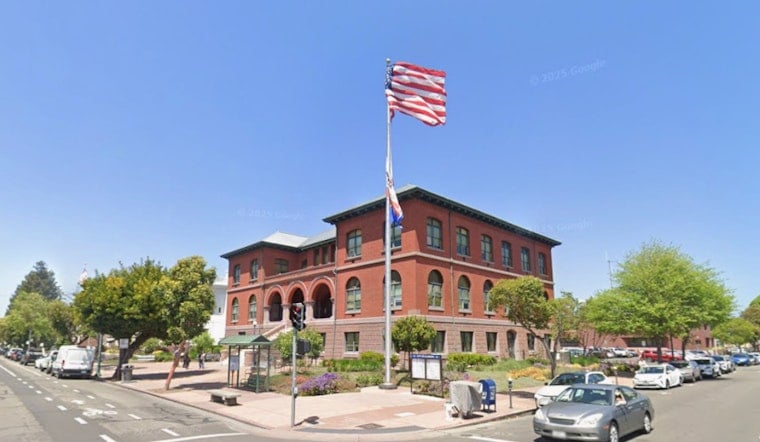
Alameda’s long-running tug-of-war over Airbnbs and other short stays is headed for a key test at City Hall. On Monday, the city’s Planning Board will hold a public hearing on the first full set of rules for short-term rentals, the kind of bookings that typically show up on Airbnb and VRBO. City staff say the proposal is designed to protect long-term housing while finally laying out clear rules for both hosts and booking platforms.
What planners will consider
The lead public hearing item on the Planning Board agenda is a citywide “Zoning Ordinance Amendment Regarding Short Term Rental Regulation,” backed by a draft ordinance, draft resolution and a summary of community feedback. According to the City of Alameda, the board will take public testimony on Monday in the Council Chambers at City Hall and may decide whether to forward a recommendation to the City Council.
The agenda notes that the proposal is consistent with Alameda’s previously certified environmental review and that it may also qualify, on its own, for the California Environmental Quality Act’s “commonsense” exemption.
Why the city is moving now
City planners say Alameda’s current zoning code never really caught up with the rise of short-term rentals. Right now, those stays are mostly handled through business-license rules and transient-occupancy taxes instead of clear land-use standards.
The City of Alameda Planning Division says staff are crafting regulations that aim to keep the local rental supply from shrinking while setting operating rules for different types of short-term rentals.
What residents have told planners
The draft ordinance is built on outreach and workshops held last year, and public comment has covered just about every angle. Some hosts say short-term rental income is essential for keeping up with mortgages and bills. Neighbors, on the other hand, have raised red flags about late-night noise, parking headaches and entire homes turning into de facto tourist hotels.
Local reporting and the city’s own summaries show the debate is often framed as a trade-off: keep homes available for people who live in Alameda full time, or give property owners more freedom to earn extra income, according to the Alameda Post.
Revenue and enforcement tools
On the money side, Alameda already applies a transient occupancy tax to short stays, and staff are eyeing tougher enforcement to track down unregistered listings. A recent city staff report notes that the city charges a 14% Transient Occupancy Tax on stays of fewer than 30 days and points to Senate Bill 346, which allows cities to require booking platforms to share property-level data, as a way to help enforce both TOT and business-license requirements, according to the city’s staff materials.
How Alameda’s approach compares
If adopted, Alameda’s framework would put it in line with a growing list of California cities that regulate short-term rentals in their own ways. San Francisco, for example, requires hosts to register with an Office of Short-Term Rentals and prove that the unit is their primary residence, according to San Francisco Planning.
In Los Angeles, hosts can only offer a primary residence for short-term stays, and the city runs a registration program that caps whole-home listings at 120 days per year, according to the Los Angeles Department of City Planning. Both cities connect registration to enforcement and tax collection in ways Alameda does not yet, a contrast local planners have explicitly called out while shaping the proposal.
How to weigh in
The Planning Board meeting will take public comment both in person and via Zoom, with the city’s meeting notice laying out how to register and where to find all the materials. The City of Alameda has also shared the announcement on Facebook and encouraged residents to show up and speak their minds, per the City of Alameda on Facebook.
Next steps and legal notes
If the Planning Board signs off on the zoning text amendment, the proposal would move to the City Council for final action. Staff describe the package as a citywide, staff-initiated zoning amendment and have already flagged its CEQA treatment in the agenda materials.
Should the Council ultimately adopt an ordinance, hosts can expect new registration, reporting and enforcement requirements. Booking platforms could also face new duties if the Council chooses to include them.





