

























































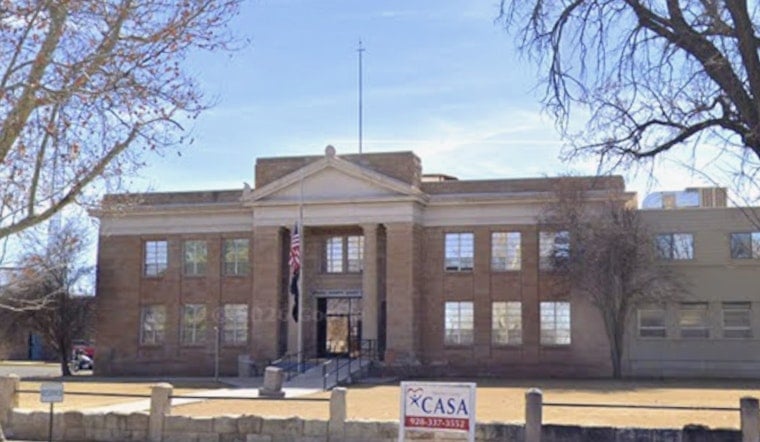
In a low-profile spring vote that is now getting plenty of attention, Apache County's Board of Supervisors signed off on a major change to how Spanish-speaking voters will cast their ballots. The county will stop printing Spanish translations on paper ballots for the upcoming midterm elections, shifting bilingual support to in-person vote centers and express voting machines instead. Apache is now part of a small but growing group of Arizona counties cutting back on bilingual printed ballots, a move voting-rights advocates warn could create a two-tier system of access.
As reported by AZFamily, Apache County supervisors voted unanimously in April to remove Spanish from printed ballots. Gila and Mohave counties had already dropped Spanish translations before the 2024 election. Natalia Sells, senior campaign manager at All Voting Is Local, cautioned that the change "could result in thousands of Arizona voters being disenfranchised." Political consultant Doug Cole told AZFamily that tight county budgets are a major driver behind the shift.
Apache County flagged "Spanish language on printed ballots" as a work-session item in a March agenda, signaling that supervisors were already weighing the implications well before the vote. The county has also adopted a Vote Center model ahead of the July primary. The Apache County agenda shows the issue on the schedule, and the Citizens Clean Elections Commission lays out the county's Vote Center plan and lists election-help phone numbers for residents.
Federal rules and who’s covered
Section 203 of the Voting Rights Act requires certain jurisdictions with substantial populations of limited-English-proficient citizens to provide voting materials in minority languages. The Census Bureau's Section 203 determinations explain how coverage is calculated, and the Justice Department’s Civil Rights Division provides guidance on how those rules are enforced. In Arizona, the current determinations require Spanish translations in Maricopa, Pima, Yuma and Santa Cruz counties, while most of the remaining counties are not automatically covered.
How counties say they'll handle it
Officials in Apache and Gila counties have told reporters that Spanish translations will still be available on express voting machines at Vote Centers. The catch is that this setup requires voters to cast their ballots in person instead of receiving a translated ballot by mail.
Because a large share of Arizona voters rely on mail ballots, advocates argue that moving translations off mailed ballots and into Vote Centers will make it tougher for Spanish-dominant households to participate on equal footing. County leaders counter that trimming printed translations helps control costs and keeps ballot layouts from becoming unwieldy.
Legal and political fallout
Election advocates warn that these changes could spark complaints or lawsuits if voters in areas covered by federal language requirements are not given meaningful access to translated materials. The Justice Department’s Civil Rights Division outlines enforcement tools available when jurisdictions fall short of Section 203 obligations. Private civil-rights groups have, in past election cycles, gone to court to restore language access when it was reduced, and counties considering similar cutbacks are being reminded to factor in not just printing costs, but also potential legal exposure and outreach needs. How all of this plays out in sparsely populated counties, where Vote Centers can be many miles apart, will be a closely watched test heading into November.
What voters should do
Voters who need language assistance are being urged to contact their county elections office or the state help desk to clarify their options. Apache County lists its elections line at 928-337-7604, and the Citizens Clean Elections help desk at 877-631-8891.
If you typically vote by mail but need a translated paper ballot, officials recommend calling ahead to confirm how your county plans to provide that support at a Vote Center or other location. Election offices can also walk voters through available accommodations, including ballot drop-off options and curbside assistance.





