

























































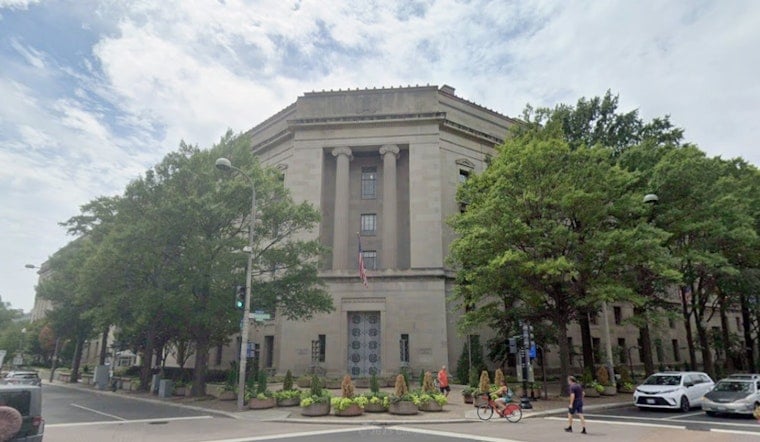
Apple and the U.S. Department of Justice are quietly feeling out a possible truce in the sweeping antitrust case that accuses the iPhone giant of monopolizing smartphone markets. The settlement talks, described by people familiar with them as active, could narrow or even wipe out a high-profile trial that would probe Apple's grip on the App Store, in-phone payments and core device features. Any deal is far from assured and would still need sign-off from federal prosecutors and a coalition of state attorneys general.
As first reported by Bloomberg, the discussions have picked up enough that Apple has floated multiple settlement offers to the Justice Department this year, according to people with knowledge of the talks. Bloomberg notes that both sides remain in private negotiations but stresses that a handshake is nowhere near guaranteed. Neither Apple nor the Justice Department immediately responded to requests for comment.
What the Justice Department is seeking
The Justice Department filed its complaint in March 2024, alleging that Apple leveraged its control over iPhone hardware, the iOS operating system and the App Store to shut out rivals and charge supracompetitive fees. The government is asking for injunctive relief that could require Apple to change how apps are distributed and how payments are processed on its platform, according to the Justice Department. Multiple states have lined up behind the federal claims, which raises the stakes for any settlement package that Apple might put on the table.
Why talks may be intensifying
Apple notched a procedural win this week when a special discovery master backed the company in a fight over subpoenas to 14 federal agencies, a ruling that could unlock documents Apple believes will bolster its defense, according to 9to5Mac. That bit of leverage may have sharpened Apple's negotiating posture, but sources told Bloomberg the talks are still tentative and could fall apart without a deal. Any settlement would likely need buy-in from the states that joined the lawsuit as well as approval from the court.
What a settlement could mean
A negotiated outcome could run the gamut from major behavioral changes, such as opening more iPhone features to third-party apps or loosening App Store rules, to a narrower set of concessions, depending on what the plaintiffs accept. The remedies the government is pursuing are laid out in its court filings and would be subject to judicial review, according to the Justice Department. Developers and consumer advocates are watching closely, since even a limited deal could reshape how apps are sold and paid for on iPhones.
Next steps
For now, the negotiations are confidential and could stretch on for weeks or months, or simply fizzle out. If the talks stall, the lawsuit will keep grinding through discovery on whatever timetable the court sets. If a deal comes together, it would need court approval and would almost certainly face scrutiny from states and industry groups before anything becomes final. Observers will be watching future filings and official statements for any sign that the two sides are getting closer to a cease-fire.



