

























































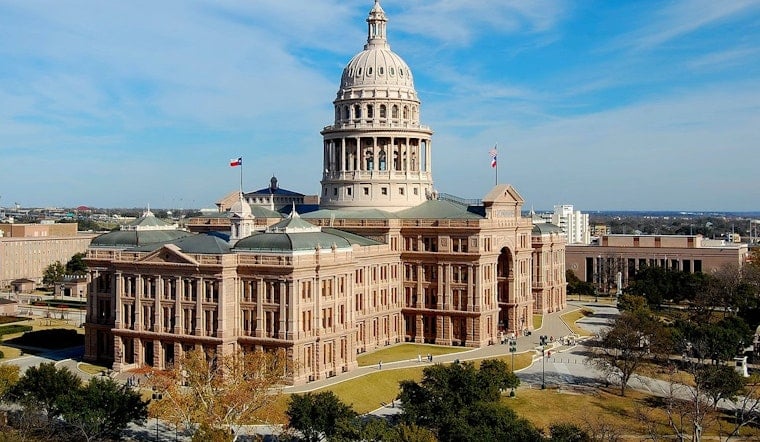
AUSTIN — Texas lawmakers are lining up behind a proposal that would block foreign nationals from hiring Texas surrogates, setting the stage for a tense hearing at the Capitol this Wednesday. Backers say they are out to protect U.S. birthright citizenship and national security. Surrogacy attorneys and agencies counter that the move would squeeze options for Texans who depend on assisted reproduction to start or grow their families. The fight is unfolding as part of a broader national push to clamp down on cross-border surrogacy arrangements.
As reported by The Texas Tribune, the renewed attention in Austin comes after the state GOP added a plank to its platform this month calling for a ban on commercial surrogacy for foreign nationals, a position spelled out in the party’s permanent committee report. Agencies that work with intended parents say foreign clients make up a relatively small slice of their caseloads: one estimated about 5%, another put the number below 20%. No one can say for sure, though, since there is no central tracking of those figures.
Interim Charge And National Momentum
Lt. Gov. Dan Patrick has given the issue a formal spotlight by assigning “Combating the Exploitation of Surrogacy” as an interim charge for the Senate Health and Human Services Committee, according to the lieutenant governor’s office. The Texas discussion is unfolding alongside federal efforts such as H.R. 7040, the SAFE KIDS Act, which would bar certain foreign nationals from enforcing surrogacy agreements in the United States, according to Congress.gov. The issue has gained extra heat after the U.S. Supreme Court this month rejected an executive action aimed at limiting birthright citizenship, as reported by AP News.
Industry And Patient Concerns
Surrogacy attorneys and agencies warn that a Texas-specific ban on contracts with foreign nationals would not just hit overseas clients. They argue it could spook would-be surrogates, complicate domestic arrangements and further narrow the options available to Texans who already face limited pathways to parenthood.
“Texas surrogacy law changes of any kind would likely have a chilling effect on Texans struggling with infertility being able to complete their families through surrogacy here,” said Christine Henry Andresen, an Austin-based attorney, as quoted in The Texas Tribune. Agency leaders also note that many intended parents seek U.S. surrogates because of medical standards and legal protections, not as a shortcut to citizenship, and they caution that tougher rules in Texas could nudge families toward less-regulated overseas markets.
Legal Implications
Texas already operates under a statutory framework, enacted in 2003, that allows courts to validate gestational agreements and recognize intended parents before birth. Texas Family Code Chapter 160 details how a gestational agreement is approved and how parentage is ordered after the child is born, with the goal of avoiding messy custody fights. Legal experts caution that voiding certain contracts or blocking specific groups of intended parents could create thorny custody and immigration questions that courts and agencies would then have to sort out.
What’s Next
The Senate committee is set to hold its hearing Wednesday in Austin, with testimony expected from agency representatives, fertility clinicians and legal advocates, according to The Texas Dispatch. If lawmakers decide to move from study mode to lawmaking, any targeted ban on foreign surrogacy contracts would likely surface as a bill in the regular legislative session that begins in January and would almost certainly face court challenges if it becomes law. In the meantime, clinics and agencies say they are closely tracking developments and walking current and prospective clients through what potential changes might mean for their family-building plans.



