

























































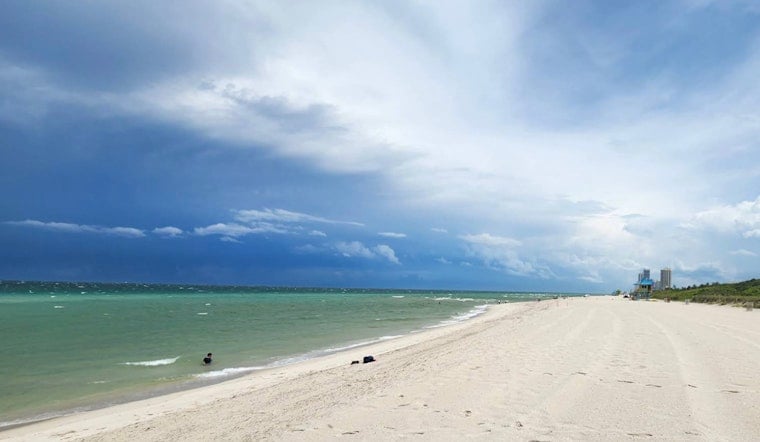
Miami’s famed shoreline is getting a hard pass from health officials this week, with swimmers urged to stay on the sand after recent water tests showed elevated bacteria levels at several popular spots. The Florida Department of Health in Miami‑Dade County has put a temporary hold on water fun at Golden Beach and at two Miami Beach locations: North Shore Ocean Terrace at 73rd Street and Bark Beach at 79th Street.
According to WSVN, health officials issued a water‑quality advisory for those areas after sampling revealed above‑average bacteria counts. The station reports that the alert, attributed to DOH‑Miami‑Dade, remained in effect as of Friday afternoon, with beachgoers asked to avoid swimming and other direct contact with the ocean until further notice.
Testing Numbers and What They Mean
Recent monitoring data from Florida Healthy Beaches show elevated Enterococcus readings at two of the flagged locations. On July 7, Bark Beach recorded an Enterococcus level of 300, while Golden Beach came in at 118. The Healthy Beaches program notes that Enterococcus is a fecal‑indicator bacterium, and higher levels are linked to an increased risk of gastrointestinal illness and other infections for swimmers.
Health officials typically keep advisories in place until follow‑up samples show bacteria levels have dropped back into the acceptable range, so the timing for a full green light will depend on how quickly those readings improve.
Why Spikes Happen and the Recent Trend
Federal beach guidance points to heavy rainfall, stormwater runoff and sewage releases as common triggers for short‑term bacteria spikes that lead to advisories. The EPA notes that those conditions can wash contaminants into coastal waters in a hurry, even if skies are blue by the time swimmers hit the sand.
Locally, the Florida Department of Health in Miami‑Dade issued a similar advisory on May 22 for Crandon Park North after Enterococcus levels there exceeded state thresholds. That repeat pattern underscores how summer storms and strained drainage systems can leave parts of the county’s shoreline vulnerable to contamination.
How to Stay Safe
Before heading out, beachgoers can check the state’s Healthy Beaches website for the latest water‑quality updates. As a general rule, it is wise to skip swimming for at least 24 to 48 hours after heavy rain, when runoff is at its peak.
Health officials also recommend avoiding swallowing ocean water, staying out of the surf if you have open cuts or a weakened immune system, and rinsing off after leaving the beach to lower infection risk. If you develop lingering vomiting, diarrhea or a fever after recent ocean exposure, it is time to check in with your health care provider.



