

























































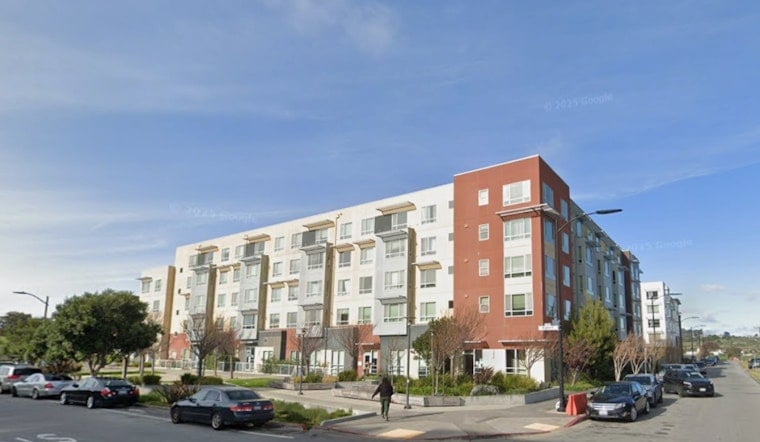
Last Tuesday, dozens of tenants at the Alice Griffith Apartments in Bayview came home to find identical Balance Due notices taped to their front doors, each warning residents to act quickly to prevent further action on their tenancy. The mass-printed papers carried the marketing name 2700 A.G. at Candlestick Point and were signed only by Management. It was not exactly the welcome-home note families were hoping for, and it landed after months of tenant complaints about mold, leaks and broken elevators, just as Candlestick Point heads into a major financing push.
Door-Mounted Notices Spark Alarm
As reported by Davis Vanguard, the notices were not mailed. Instead, they were taped at thresholds and slipped into door jambs, which meant residents could easily see who had been targeted as they walked the halls. The template reviewed by the outlet outlines repayment plans, lays out conditions for Emergency Rental Assistance and hints at unspecified further action on tenancy, according to tenants who spoke to the reporter. Residents said the language felt especially harsh in a complex where basic maintenance and safety complaints have been dragging on unresolved.
Tenants Say Problems Go Unfixed
Local reporting and public records point to a long trail of habitability problems at Alice Griffith. Mission Local documented more than 100 failed Housing Authority inspections in a single year and detailed recurring mold, sewage backups, nonworking elevators and pest infestations. Housing Authority meeting minutes also record public comment on on-site conditions and note that the John Stewart Company has used monthly balance-due letters and 30-day notice letters as rent-collection tactics. Tenants and advocates say the stepped-up collection efforts feel punitive when repairs, in their view, sit for months.
Why This Matters For Candlestick Point
Alice Griffith is the only major residential piece that is already finished inside the larger Candlestick Point redevelopment. The current plan for the site calls for roughly 7,200 homes, three million square feet of commercial space and about 100 acres of parks and open space, according to SFist. The Disposition and Development Agreement was amended to set a bonded-indebtedness cap of 5.9 billion dollars, a change the Board of Supervisors approved in November 2024, as reflected in the DDA amendment on file with the SEC. Federal records show that Alice Griffith itself was rebuilt with public money, including a 30.5 million dollar HUD Choice Neighborhoods grant.
In other words, the troubled complex is the showcase for a massive public-private project that is about to lean on taxpayers and investors for billions more.
Advocates Call For An Independent Review
Community groups, along with the investigation's author, are pushing for a formal, independent fact-finding probe before the city and its agencies sign off on more public dollars for the district, Davis Vanguard reports. The coverage and advocates have urged that any eviction filings, adverse credit reporting and other tenancy actions tied to last Tuesday's notices be paused while the record is examined.
They argue that a credible review would include a Department of Public Health cluster analysis, indoor-air and mold testing and a public audit of maintenance and oversight records, essentially a top-to-bottom check of how the building has been run and monitored.
What Officials Could Do Next
City offices have several levers they could pull. The Housing Authority can pursue abatement and enforcement actions, the Board of Supervisors and Controller can request audits of public financing and oversight, and the Inspector General or an outside investigator can conduct an independent fact-finding review. Tenants say they want immediate protections on the table while any of that is considered, including a halt to eviction filings that stem from the door notices.
The contrast at Alice Griffith, an expensive and federally subsidized rebuild that residents say is failing them while the broader Candlestick Point project moves ahead, has neighborhood advocates demanding answers. Officials who oversee redevelopment and public housing now face a clear test: clean up the record and conditions at the flagship site, or be ready to explain them later when billions more are in play.





