

























































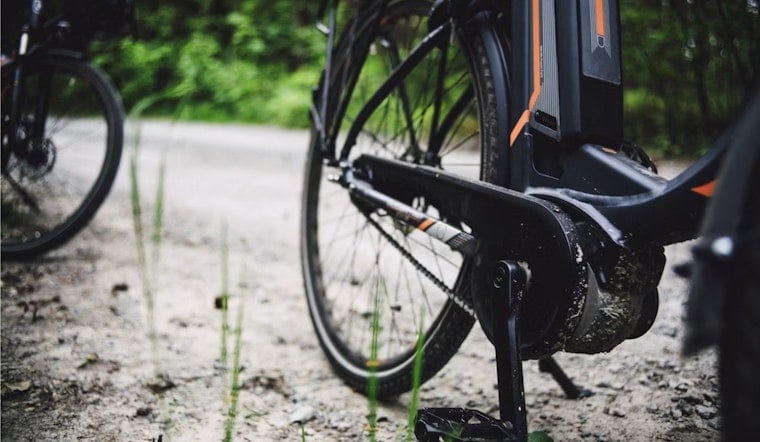
Lawmakers in Sacramento are moving to force companies that sell e‑bike, power‑tool and portable power‑station batteries to run free take‑back and recycling programs under SB 501. The measure would cover so‑called medium‑format lithium packs, the heavier, removable batteries found in many e‑bikes and lawn tools, after officials warned of rising fires, soaring insurance costs and a fast‑growing stream of spent packs. The proposal would shift the cost and logistics of safe collection from local governments and ratepayers to manufacturers and their stewardship groups.
What SB 501 Would Do
Sen. Ben Allen's bill would expand the Responsible Battery Recycling Act to categorize covered batteries as small or medium format and require producers to either run or join stewardship programs that provide statewide collection, transport and recycling at no cost to consumers. The text defines medium‑format batteries by weight and watt‑hour ratings and requires stewardship plans to spell out how producers will supply collection sites, safety procedures and reporting for both small and medium batteries.
Where The Bill Stands
SB 501 has already cleared major hurdles in Sacramento. The Senate approved it on a 30–10 vote, and an Assembly committee voted 10–2 on June 29 to re‑refer the bill to Appropriations, per LegiScan. If it wins final Assembly approval and survives appropriations review, the measure would be eligible to head to the governor later this summer.
Local Safety and the Shoreway Example
State regulators and local officials point to mounting safety and cost problems. CalRecycle estimates roughly 7,294 tons of batteries are improperly disposed in California landfills each year, and batteries are the top cause of fires at recycling and transfer facilities. The Shoreway Environmental Center in San Carlos, which suffered a four‑alarm lithium‑ion battery fire in 2016 that forced a long shutdown, caused about $8.5 million in damage and drove insurance premiums sharply higher, is frequently cited by proponents as the kind of event SB 501 aims to prevent, according to reporting by CalMatters.
Who Backs It — And Why It Matters
A broad coalition supports the bill, from environmental groups and firefighter organizations to local waste authorities and companies such as Recology and Republic Services, who argue producers should fund safer collection and recycling instead of ratepayers. Industry and recyclers caution the logistics differ for larger packs; “the shape, size, weight and energy density create much more unique challenges,” Cirba Solutions' Danielle Spalding told Resource Recycling. Market forecasters also note rapid growth in e‑bike and mid‑format battery sales, a trend tracked by researchers at Mordor Intelligence.
Legal Implications
SB 501 would not only require collection networks but also tighten oversight. Stewardship plans and annual reports submitted by producers are placed under the bill's reporting requirements and can be subject to enforcement if they contain false information, per the bill text on the Legislative Information site. That would shift compliance duties and potential civil exposure onto manufacturers and stewardship organizations, while CalRecycle would retain authority to approve plans and monitor performance.
For Bay Area residents looking to safely retire a dead e‑bike or power‑tool pack today, CalRecycle lists drop‑off options and safety guidance for handling damaged lithium packs. For readers who want to track the bill's next steps, public legislative vote and hearing records show the latest status and upcoming actions.





