

























































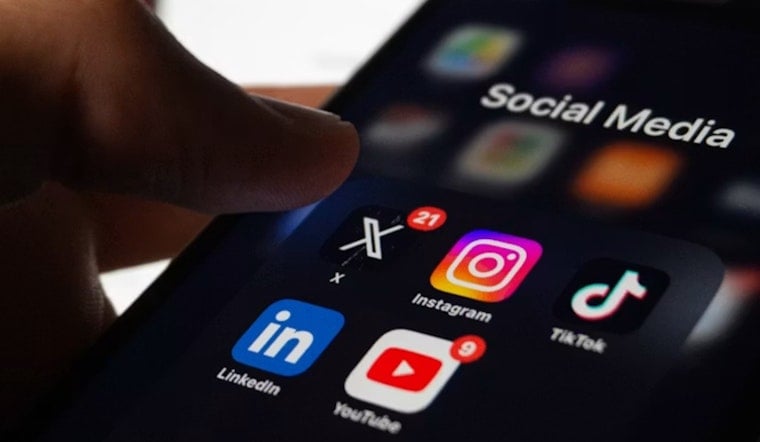
Instagram quietly slipped in a new AI-related setting that lets other people turn your public photos into AI-generated images unless you hunt it down and turn it off. The change landed alongside Meta's Muse Image launch yesterday, and it defaults to letting public accounts be reused, so creators and casual posters alike might want to scan their profile settings sooner rather than later.
What Meta rolled out
Meta's Superintelligence Labs introduced Muse Image yesterday, baking the model into Meta AI and layering in new features across Instagram and WhatsApp. In its launch post Meta explained that the tool can tap public photos as visual references when a username is tagged and that users “have control” to switch the feature off in settings. See Meta for the official rundown.
Who can be used and how you'll (not) know
TechCrunch and other outlets report that anyone can @-mention any public Instagram handle in a Muse Image prompt and the model will pull that account’s public posts as references. Wired notes that Instagram's help text spells out that you will not be notified about content created using AI features at Meta, so you may never actually see when a spin on your photos pops up.
How to opt out
If you want to keep future AI generations off your posts, open the Instagram app, tap your profile, hit the three-line menu, go to "Sharing and reuse," and toggle off both "Posts" and "Reels" under "Allow people to use your content on Instagram and with AI features on Meta." Cleveland.com and other outlets walked through this same path when the setting surfaced in U.S. accounts.
What the setting does and does not do
Turning those toggles off only blocks future AI generations. Already-created images that used your photos stay up and are not removed by the opt-out, according to Wired. So if someone has already fed your public shots into Muse Image, flipping the switch now will not erase those AI derivatives.
Meta's provenance fix for its own images
Meta says it will tuck an invisible provenance watermark called Content Seal into images Muse Image creates and is previewing a detection tool that can verify that seal. The watermark covers Meta’s generated outputs but does not visibly mark images made from people’s real Instagram posts, according to Meta.
What to do now
Creators and anyone running a public profile may want to weigh whether staying public is worth the tradeoff between discovery and control over their likeness. The rollout has already sparked privacy worries in coverage of the launch, and reporters suggest turning off the Sharing and reuse toggles if the idea of strangers spinning up AI art from your photos makes you queasy.




