

























































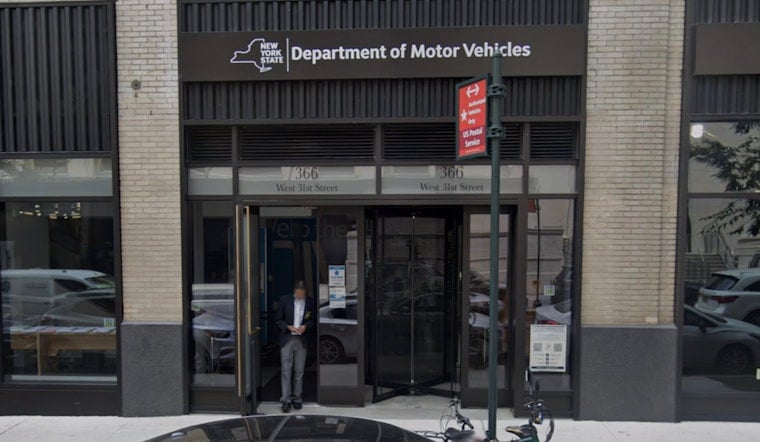
A New York Post reporter walked out of a state DMV hearing in Coney Island this week with two traffic summonses tossed, wiping out more than $300 in potential fines and state surcharges. The case traces back to an April traffic stop in Bay Ridge, Brooklyn, and is now fueling fresh questions about how local officers enforce license-plate and equipment rules on neighborhood streets.
DMV Judge Tosses Tickets at Coney Island Hearing
Reporter Rich Calder said he was pulled over on April 12 at Fourth Avenue and 86th Street in Bay Ridge during what officers described as a "random traffic-safety check." He left with two tickets for allegedly obstructed license plates tied to dealership frames. Calder challenged the citations at the state DMV office in Coney Island, where Associate Administrative Law Judge Perry Bohmstein dismissed both charges on the spot, sparing him more than $300 in fines and surcharges, according to the New York Post.
Precinct Admits Error, Promises Retraining
After the hearing, a ranking officer at the 68th Precinct acknowledged to Calder that "the tickets should never have been written" and said the officers involved would be retrained. The summonses had been written by Officer Tiffany Ruiz, who has been with the NYPD since 2024. Department records reviewed by the Post show she earned about $77,228 in overtime last year, as reported by the New York Post.
What New York Law Says About Obstructed Plates
New York Vehicle and Traffic Law §402 requires license plates to be clearly visible and prohibits coverings or coatings that hide any part of the plate. Courts have held that an officer's personal observation of an obstructed plate can provide legal grounds for a stop, although judges look at the full record, including body-camera footage or photographs, when deciding whether a summons holds up in a hearing, as outlined by NYCourts.
Why Brooklyn Drivers Should Pay Attention
The case is playing out against a wider city crackdown on obscured and fake plates, a campaign that ramped up after congestion pricing kicked in and officials vowed to go after "ghost cars" and plate-obscuring tricks. The city has been tightening rules and boosting enforcement around plate coverings and toll-evasion tactics, a trend detailed in New York City's crackdown on license plate obstructions.
Takeaway
For Brooklyn drivers, Calder's victory is a reminder that tickets tied to equipment issues or plate visibility do not have to be the final word. At a DMV hearing, an administrative law judge reviews the evidence and can toss a summons if it does not hold up. If you get hit with a similar ticket, documenting your plates and the scene with photos or video could be the detail that tips the balance in your favor.





