

























































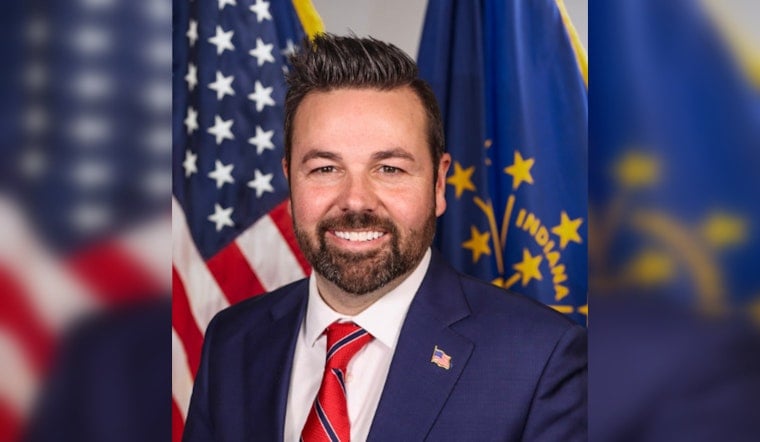
Indiana’s lieutenant governor, Micah Beckwith, has reignited a national fight over religious expression after saying public Muslim calls to prayer should be outlawed. His push to ban the adhan, the Islamic call to prayer, comes after a series of anti-Muslim remarks that have already triggered protests, heightened security at some mosques and calls from state leaders for him to clarify his position. Constitutional lawyers say any law that singles out the adhan would be on very shaky ground in court.
What Beckwith said
On a podcast, Beckwith argued that “we should ban the call to prayer, public calls to prayer,” and urged limits on mosques using loudspeakers, according to IndyStar. That reporting also says Beckwith told the hosts he had been talking with Attorney General Todd Rokita about ways to cut off money he believes is tied to terror finance. His latest comments repeat and escalate language that has already drawn criticism from residents and officials across Indiana.
Muslim groups and lawmakers push back
The Council on American-Islamic Relations condemned Beckwith’s remarks and invited him to visit a mosque, CAIR-Chicago said. Lawmakers and interfaith leaders gathered at the Statehouse to defend religious liberty, and some mosques in Indiana increased security after receiving threats that followed the controversy, according to Indiana Public Radio. State Treasurer Daniel Elliott and other officials publicly urged elected leaders not to inflame religious tensions.
Legal hurdles for a ban
Legal analysts say a religion-specific ban on amplified adhans would almost certainly invite a First Amendment lawsuit. Recent coverage and legal commentary point out that courts weigh free-exercise and establishment concerns alongside neutral time, place and manner rules, and that many cities have opted for accommodation or narrowly tailored noise limits instead of outright bans. Observers often cite the Minneapolis example, where city rules were changed to allow the adhan throughout the year, as evidence that municipalities typically resolve these disputes through ordinances and negotiation, not criminal penalties, the Star Tribune has reported.
Statehouse response
Gov. Mike Braun urged caution, saying Beckwith "probably regrets" how he framed his comments and advising officials to "think before you speak," according to Indiana Public Media. Attorney General Rokita has shown interest in exploring the national-security concerns Beckwith cites, while Republican and Democratic lawmakers alike have warned against rhetoric that targets a specific faith community. The dust-up has created an awkward political moment for the governor’s office and the state GOP.
What comes next
IndyStar reports that Beckwith says he is consulting with the attorney general on how to cut off money he links to terror finance, but civil-rights groups and constitutional lawyers counter that any attempt to outlaw the adhan specifically would face immediate legal challenges. Legal observers note that past disputes over religious sound in American towns have mostly been settled through neutral noise ordinances, negotiated limits on hours and volume, or accommodation, not broad bans. For now, Muslim leaders in Indiana say they plan to keep pressing for dialogue, security and adherence to the rule of law rather than new restrictions on worship.





