

























































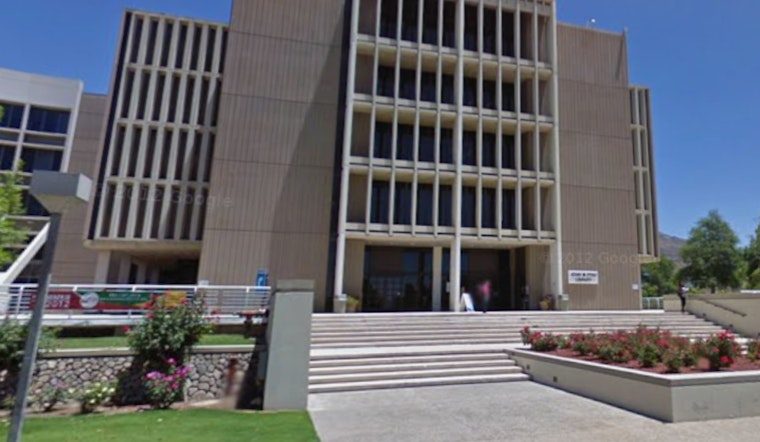
The Cal State Long Beach Shark Lab, widely recognized as the nation's oldest shark research center, is staring down a serious funding cliff right in the middle of its 60th anniversary year. Director Chris Lowe warns that key operations, from the tag-and-alert system that texts lifeguards to lifeguard training and school outreach, could be scaled back if new money does not land soon. A short-term gift has bought the lab a few more months, but the long-term outlook is still very shaky.
As reported by the Long Beach Press-Telegram, state support for the lab has steadily dwindled, and its operating funds are on track to run out. The paper notes that the Paul M. Angell Family Foundation has pledged roughly $800,000 to keep things going through September. "One year keeps us alive, but I'm constantly having to rehire new people," Lowe told the paper, underscoring how short-term lifelines force the lab into repeated hiring cycles. Lab leaders say the gap in funding threatens both research and the public-safety alerts that lifeguards lean on.
Short-term lifeline, long-term gap
The Angell family gift follows an earlier near-miss and a previous grant from the same foundation that helped keep the monitoring program running. Local reporting has pegged the lab's annual costs at around $900,000 to $1,000,000, with a staff of roughly two dozen. ABC7 documented a prior Angell infusion in 2025, and the Long Beach Post has chronicled the lab's repeated pleas for private donors and legislative backing. Directors say that kind of patchwork rescue money cannot substitute for the stable, multi-year funding needed to keep tagging, data analysis and field deployments on track.
What the lab tracks and why it matters
The Shark Lab runs a statewide network of acoustic and satellite tags that has put transmitters on hundreds of juvenile white sharks. It has also deployed receivers and buoys that can ping lifeguards by text when tagged animals move close to popular beaches. That monitoring effort stems from a $3.75 million state grant awarded in 2018 that launched the early-warning system, as detailed by GovTech. Researchers say those data help keep beaches open by giving officials more precise tools to gauge risk instead of relying on guesswork or blanket closures.
Robots, outreach and partner support
Beyond tagging, the lab has been building out autonomous platforms that can listen for transmitters, stream video, collect environmental DNA and run on solar power, work highlighted on the university's Shark Lab pages. Cal State Long Beach outlines the lab's robotics and field programs, while the Press-Telegram reports that the Seaver Institute has backed parts of the shark-robot work and that the lab is piloting collaborations with partners such as the Monterey Bay Aquarium Research Institute. Public outreach is still a big part of the mission, with "Shark Shacks," comic books and lifeguard training aimed at keeping beachgoers informed and safer in the water.
Policy context
The money crunch is hitting just as policy shifts are giving officials new tools to warn the public. A new measure nicknamed "Lulu's Law" authorizes smartphone emergency alerts for shark attacks, a system that could work hand in glove with local monitoring, according to AP News. Scientists have also pointed to warmer-than-normal coastal waters this year as one reason for increased juvenile white shark activity near shore, a pattern that regional coverage has tied to ocean temperatures and El Niño effects on shark movements. LAist provides additional context on how changing ocean conditions are reshaping shark behavior in Southern California.
What comes next
Lowe and university leaders say they plan to press state lawmakers for targeted funding while also chasing more support from foundations and private donors and trimming expenses where they can. The Long Beach Post has reported on the lab's earlier fundraising drives, and the campus BeachFunder page details gear and tagging needs for students and researchers. For now, the latest donation is keeping buoys in the water and alert texts flowing to phones, but lab leaders warn that without a durable funding plan, both the research and the public-safety work that beach communities rely on will stay in the danger zone.





